Ansar Allah praises Mojtaba Khamenei’s appointment, reinforcing Iran‑aligned resistance axis amid heightened Middle East conflict
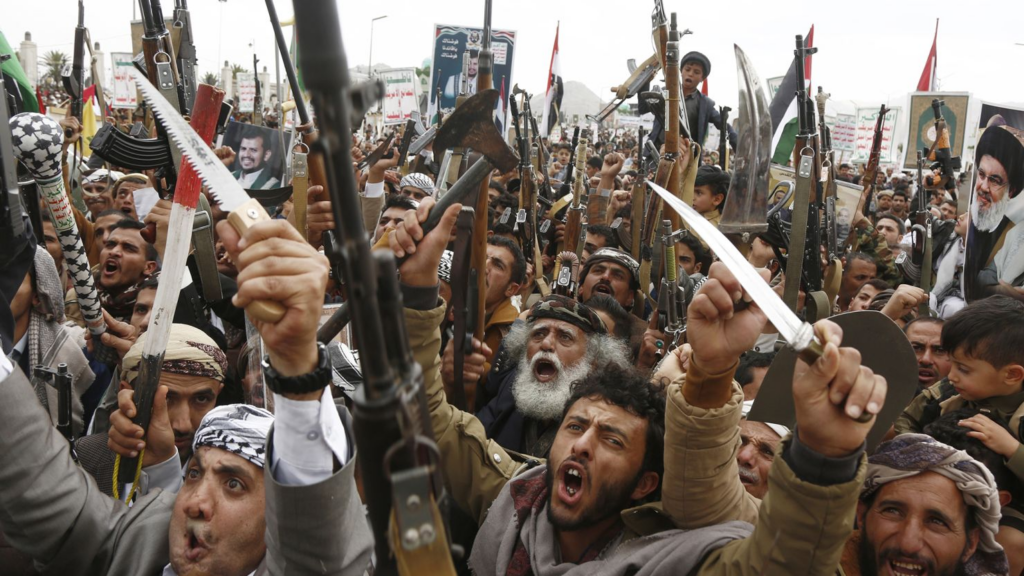
In a significant show of political solidarity, Yemen’s Houthi movement — formally known as Ansar Allah — has issued a statement welcoming the appointment of Mojtaba Khamenei as Iran’s new Supreme Leader, calling the decision “a major blow for the Islamic Republic’s enemies.” The praise from the Houthi group underscores deepening ties within the so‑called Iran‑aligned resistance axis at a time when the Middle East is engulfed in a major war involving Iran, the United States, and Israel. This development not only reflects ideological alignment but also carries potential implications for regional geopolitics and the sprawling, multi‑front conflict.
Historic Succession in Tehran
On March 8, 2026, Iran’s powerful clerical body, the Assembly of Experts, officially elected Ayatollah Seyyed Mojtaba Hosseini Khamenei as the new Supreme Leader of the Islamic Republic of Iran, succeeding his father, Ayatollah Ali Khamenei, who was killed earlier this year in joint U.S.–Israeli airstrikes. The appointment marks the first time in Iran’s modern history that leadership passed from father to son and signals the clerical establishment’s desire for continuity amid ongoing war and domestic instability.
Mojtaba Khamenei, 56, has long been influential behind the scenes, particularly due to his close relationships with Iran’s Islamic Revolutionary Guard Corps (IRGC). The IRGC swiftly pledged its loyalty to the new Supreme Leader after his appointment, signaling strong backing from the country’s military‑political elite.
Houthis Celebrate as Regional Allies Rally
Shortly after Iran announced its new Supreme Leader, Yemen’s Houthi rebels issued an official statement congratulating Tehran, describing the smooth transition as a “resounding victory” for Iran and its allies. In the message, the group highlighted the unity and resilience of the Islamic Republic and framed the selection of Mojtaba Khamenei as a decisive setback for Washington, Tel Aviv, and other adversaries involved in the current war.
Ansar Allah’s statement stressed that Iran’s leadership transition — undertaken in the midst of an intense conflict — demonstrated the cohesion and readiness of the Iranian system and people. The Houthis also reaffirmed their ideological alignment with Tehran, characterizing the appointment as a strengthening of the resistance front against what they describe as foreign aggression.
This praise is consistent with previous Houthi rhetoric, including declarations by Houthi leaders that their group stands firmly with Iran and is “ready to support” if developments in the war require it. While the Houthis have not yet deployed forces directly into the Iran–Israel conflict, their political alignment and symbolic solidarity are significant in the broader network of Iran‑aligned actors in the Middle East.
Why the Houthis’ Reaction Matters
Since seizing control of much of Yemen in 2014, the Houthis have maintained close political and logistical ties with Iran. Tehran has long been accused by Saudi Arabia and its allies of providing military support and strategic guidance to Ansar Allah, although Tehran officially denies coordinating combat operations. Nevertheless, both groups often express mutual support in rhetoric and joint media messaging, positioning themselves as resistance movements against U.S. influence and Israel’s regional policies.
The Houthis’ enthusiastic reaction to Mojtaba Khamenei’s elevation is especially significant because it signals continued loyalty to Iran’s hardline leadership at a moment when Tehran is confronting large‑scale military pressure from multiple fronts. The broader context of war includes missile and drone attacks emanating from Iranian territory, sustained pressure from U.S. forces, and military engagement between Israeli troops and Iran‑linked militia groups in Lebanon and other theaters.
Moreover, by declaring Iran’s new Supreme Leader a “major blow for enemies,” the Houthis are intentionally aligning themselves with Tehran’s narrative of resistance — suggesting that they view Iran’s leadership succession as not just internal politics but a strategic gain in the broader confrontation. This has the potential to embolden other Iran‑aligned groups, including militias in Iraq and Lebanon, further solidifying the resistance axis’s cohesion.
Regional and International Repercussions
Iran’s appointment of Mojtaba Khamenei has already drawn sharp international reactions. The United States and Israel have voiced strong disapproval of the decision, with former U.S. President Donald Trump publicly rejecting the appointment and signaling that Washington might not recognize Iran’s new leader. This dispute over legitimacy highlights the fractious nature of global responses to the Middle East war and the contrasting narratives promoted by opposing blocs.
Meanwhile, analysts warn that Iran’s hardline leadership — now supported by both the IRGC and allied groups like the Houthis — could deepen regional polarization. With revenge narratives intensifying and resistance actors congratulating Tehran, diplomatic avenues for de‑escalation may face additional challenges. The war’s ripple effects are already evident in energy markets, displacement of civilians, and rising humanitarian concerns across countries such as Lebanon, Saudi Arabia, and Yemen itself.
Looking Ahead
The Houthis’ celebration of Iran’s new Supreme Leader underscores the interconnected nature of modern Middle East conflicts, where political appointments in one capital resonate among allied movements across national borders. As Mojtaba Khamenei assumes leadership during an unprecedented wartime environment, regional dynamics will likely continue to evolve — potentially drawing allied groups like Ansar Allah closer into shared strategic postures and deepening the ongoing geopolitical divide.