Tehran signals that any U.S. military action could trigger a broader Middle East war involving Iranian proxies, escalating regional tensions and global security concerns.
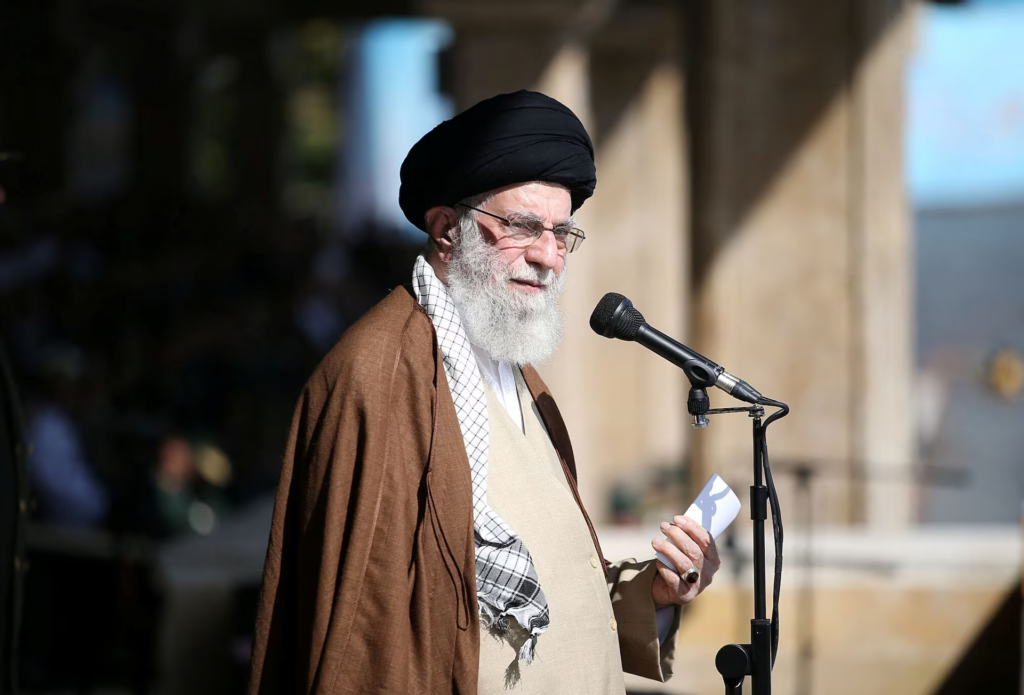
Iran has escalated its rhetoric regarding potential U.S. military actions, warning that armed groups aligned with Tehran — including Hezbollah in Lebanon, Hamas in the Palestinian territories, and Ansar Allah (Houthis) in Yemen — could enter hostilities if the United States initiates strikes against the Islamic Republic. This statement reflects intensifying geopolitical tension in the Middle East, where decades of proxy networks and competing alliances have already pushed the region close to large-scale conflict.
Background: Rising Tensions Between Iran and the U.S.
Tensions between the United States and Iran have been mounting for years, driven by disputes over Iran’s nuclear program, regional influence, and U.S. military presence in the Middle East. In recent months, the U.S. significantly increased its military deployment around Iran — including multiple aircraft carrier strike groups and advanced missile defense systems — signaling readiness for potential operations. While U.S. officials claim the buildup is meant to deter escalation, Tehran interprets it as preparation for aggression.
Iranian leaders have repeatedly emphasized that any direct U.S. attack would have severe consequences not only for Tehran but for the entire region. Iranian state media and political analysts have described military strikes as likely to spark a “regional war,” citing the geo-strategic alliances forged over decades with allied groups.
Proxy Networks: Hezbollah, Hamas, and the Houthis
Iran’s foreign policy extensively relies on a network often called the “axis of resistance”, consisting of various militant groups and political alliances stretching from Lebanon through Palestine, Iraq and Syria to Yemen. This network has been central to Iran’s strategy of influencing regional dynamics and countering Western and Israeli policies.
- Hezbollah: The Lebanese Shiite group has historic ties with Tehran and is one of the most powerful non-state militant forces in the region. U.S. and Israeli officials have long warned that Hezbollah’s involvement in any broader conflict could expand the battlefield beyond traditional theaters. Experts agree that Iran maintains influence over Hezbollah’s strategic decisions, even if the group retains some operational autonomy.
- Hamas: Based in Gaza, this Palestinian group has received support from Iran in the past, including weapons and funding. While Hamas and Iran have had periods of strained relations, their shared stance against Israeli and U.S. pressure makes them potential allies in a wider confrontation. (General reporting context)
- Houthis (Ansar Allah): Yemen’s Houthi rebels have increasingly engaged in missile and drone attacks — especially targeting shipping in the Red Sea — actions often seen as indirectly aligned with Iranian interests. They have warned against Western or Israeli aggression and indicated readiness to escalate attacks if regional conflict spreads.
Warnings and Reactions
Iran’s warning of a broader war comes amid speculation and debate among international policymakers about how far the United States is willing to go to counter Tehran’s nuclear and military posture. U.S. intelligence officials and military planners have debated limited strikes versus full-scale operations, but Iranian officials argue that any aggression could trigger multilateral retaliation by groups within Iran’s sphere of influence. (General context from news environment)
In response, some regional governments and Western allies have also expressed alarm. For instance, Lebanon’s official government urged Hezbollah to avoid involvement in a possible U.S.–Iran confrontation, underscoring fears the situation could spiral into destabilizing warfare on Lebanese territory.
Meanwhile, Israel — a key U.S. ally — has warned Lebanon that it would respond with force if Hezbollah enters a U.S.–Iran war, including targeting critical infrastructure. This highlights the potential for collateral regional escalation beyond direct U.S.–Iran dynamics.
Implications for the Region and World
The ramifications of such warnings are significant:
- Broader Middle East Conflict: If Hezbollah, Hamas, and the Houthis mobilize against the U.S. or allied forces, conflicts could erupt on several fronts — from the Levant through the Red Sea — involving state and non-state actors. This could destabilize civilian populations, escalate military engagements, and strain diplomatic relations across the globe.
- Economic Impact: Escalation has serious implications for global trade, particularly through critical waterways like the Strait of Hormuz and the Red Sea, where Houthi attacks on shipping have already disrupted supply chains. Escalated conflict could spike energy prices and supply costs worldwide.
- Diplomatic Pressure: International bodies such as the United Nations and leading powers would likely intensify diplomatic pressure to avoid full-scale war. Neutral states and global economic powers may push for de-escalation talks to prevent the crisis from expanding.
Conclusion: A Fragile Balance
Although the rhetoric from Tehran and allied groups signals that a U.S. military strike could widen into a larger confrontation involving Hezbollah, Hamas, and Yemeni forces, analysts emphasize that public threats do not always translate into coordinated military action.
However, the situation underscores how fragile peace remains in the Middle East. With competing interests, proxy alliances, and high civilian stakes, the possibility of broader conflict remains a top international security concern. The world watches closely as diplomacy, deterrence, and military posture continue to shape one of the most volatile geopolitical flashpoints in the 21st century.