Reference to Indian PM’s name in released Jeffrey Epstein documents triggers political attacks and official dismissal as misinformation, highlighting risks of misinterpretation in large data leaks.
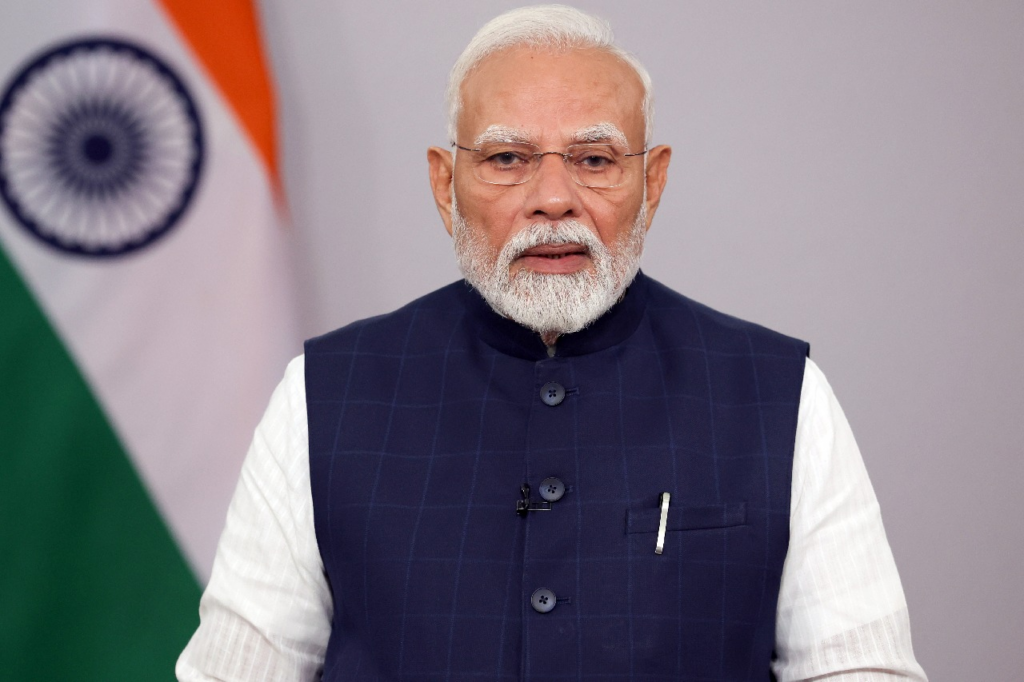
The recent release of millions of pages of documents and videos tied to the late American financier and convicted sex offender Jeffrey Epstein has reignited global debates about transparency, influence and misinformation — including in India, where political figures have reacted sharply to a reference to Prime Minister Narendra Modi’s name in one of the archived emails.
On January 31, 2026, the Ministry of External Affairs (MEA) in New Delhi issued a strong rebuttal after media reports suggested that an email within the vast Epstein cache mentioned the name of Prime Minister Modi in conjunction with his official diplomatic visit to Israel in July 2017. The MEA described the reference as “little more than trashy ruminations by a convicted criminal,” and said it should be dismissed with “the utmost contempt.”
The documents — released by the U.S. Department of Justice under a law passed by the U.S. Congress — include millions of pages of emails, images and videos from Epstein’s estate and associates. Amid that massive trove of material, an email was reportedly circulated that mentioned Modi’s 2017 state visit to Israel in passing, as part of commentary on geopolitical relations at the time. The Indian government’s response likened the context to irrelevant commentary rather than substantiated evidence of wrongdoing or direct interaction with Epstein himself.
Despite the government’s formal rejection, the alleged mention has become fodder in a political clash between India’s ruling party, the Bharatiya Janata Party (BJP), and the opposition Indian National Congress. In the Lok Sabha during the Parliament’s Budget Session, Congress leader Rahul Gandhi referenced the so-called Epstein “links” as part of a wider attack on the Modi government’s foreign policy and recent trade negotiations with the United States. Gandhi stated that the mention of Modi’s name alongside other prominent Indian figures — including a Union minister and a well-known industrialist — in Epstein-related documents was “shameful.”
However, multiple fact checks and reports emphasize that a mere mention of a name in a massive document dump does not imply criminality or participation in illegal activities. Analysts caution that the Epstein files contain emails that range from personal commentary to geopolitical speculation, and that references to public figures should not be conflated with verified evidence of misconduct.
Official statements from the BJP and the Prime Minister’s Office have rejected the opposition’s characterization entirely. BJP spokespeople pointed out that there is no verified document, court record or official investigation linking PM Modi to any criminal case or illicit association with Epstein. They labeled allegations made in Parliament as politically motivated and lacking factual basis.
The controversy also highlights challenges associated with large data leaks. The Epstein files include millions of pages that came from various sources accumulated over years of investigations. Names may appear in mundane or speculative contexts — such as discussions about diplomatic visits or third-party relationships — and these mentions can be misinterpreted, especially in the fast-paced world of social media and political rhetoric.
Experts and digital investigators have stressed that an email reference, by itself, does not indicate any criminal link, meeting, or direct engagement between Emmanuel leaders and Epstein. Indeed, security reviewers note that many global leaders and public figures from various countries appear in the documents under similar contexts, often related to geopolitical commentary or diplomatic events rather than personal association with Epstein or his activities.
Moreover, independent fact-checking outlets and analysts reviewing the Epstein material have found no credible evidence that Modi, or any senior Indian leader, was involved in Epstein’s criminal enterprises or social circles that would suggest wrongdoing. Their appearances in email text seem limited to references to public events — such as state visits or shared diplomatic interests — rather than indications of mutual engagement outside official business.
The political fallout — including Opposition attacks and government rebuttals — reflects India’s broader debates over public trust, media narratives and the interpretation of digital records. As the Epstein documents continue to be sifted through by researchers and journalists around the world, observers caution against drawing leaps from incidental references to unverified assumptions about leaders’ conduct.
In the age of massive digital disclosures, policymakers and public figures alike must navigate the fine balance between transparency, responsible reporting and the dangers of misinformation — particularly when geopolitical rivals or domestic adversaries might seize on ambiguous data for political effect.