Despite misinformation online, Germany reaffirms its backing of Ukraine and rejects siding with Russia, emphasizing peace negotiations and defensive support. Here’s what officials are actually saying.
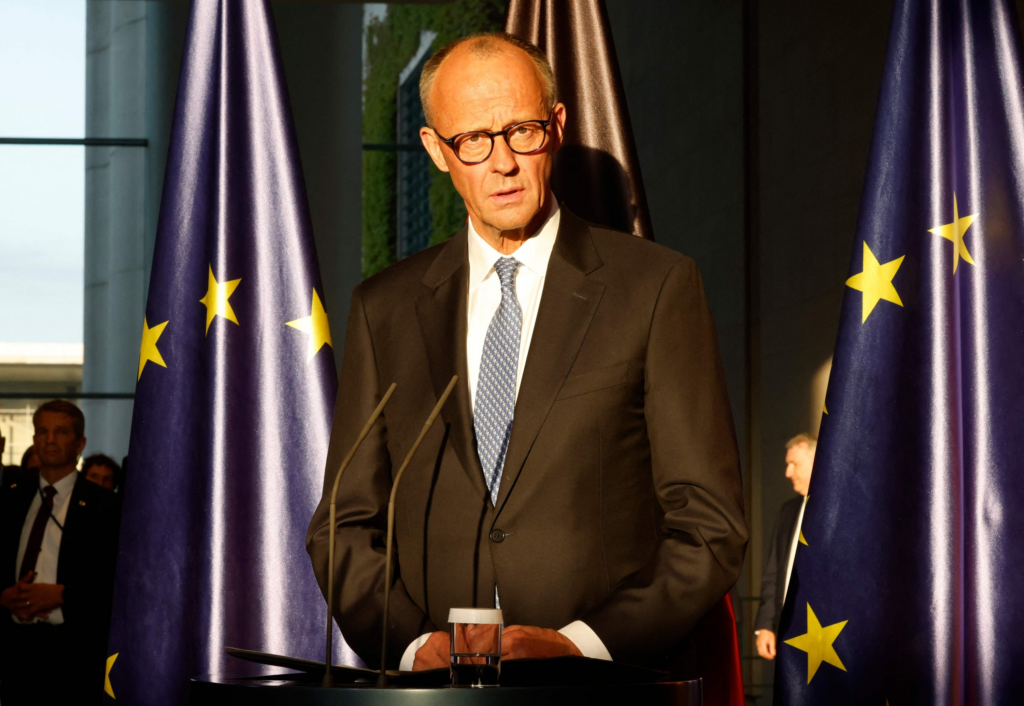
In recent days, social media and some fringe news outlets circulated claims that Germany has officially announced support for Russia against Ukraine in the ongoing conflict. However, a close examination of official statements and verified reporting shows this narrative is false and misleading—in fact, Germany continues to stand with Ukraine in opposition to Russian aggression.
Germany’s Official Position on Russia and Ukraine
Germany’s leadership has repeatedly rejected Russia’s invasion of Ukraine and reaffirmed its commitment to Ukrainian sovereignty. On the fourth anniversary of Russia’s full‑scale war in Ukraine, German political leaders and government officials publicly expressed solidarity with Kyiv, highlighting support for Ukraine’s independence and democratic future rather than aligning with Moscow.
For example, Berlin’s mayor, Kai Wegner, declared that “Berlin stands firmly alongside Ukraine — not only in words, but in deeds,” and announced events in solidarity with the Ukrainian people.
German officials have also asserted that Russia’s invasion is a violation of international law. The German Ambassador to Pakistan, Ina Lepel, described Ukrainian forces as not only defending their own country but also “defending the freedom of Germany and Europe.” She made it clear Germany views Ukraine’s resistance as part of a broader defense against authoritarian aggression.
Statements From German Government Leaders
The highest levels of German leadership have reinforced this position. Chancellor Friedrich Merz has emphasized Germany’s role in supporting Ukraine and pressuring Russia to end the war. In speeches and public comments, Merz criticized Russian actions, characterizing them as aggressive and contrary to European security. He warned that appeasement would only embolden Moscow, reaffirming Germany’s long‑standing position against Russian expansionism.
Similarly, Germany’s Foreign Minister Johann Wadephul stated Germany is open to peace talks with Russia but will not make concessions that legitimize Moscow’s territorial gains. This stance further shows Germany’s focus on a negotiated settlement that respects Ukraine’s sovereignty, not an alignment with Russia.
German Policy: Support and Pressure, Not Alignment
Germany’s approach to the Russia‑Ukraine conflict has two main pillars:
- Support for Ukraine: Berlin has committed substantial financial, humanitarian, and military aid to Kyiv. German leaders have called on Europe and NATO allies to bolster defensive systems, increase sanctions against Russia, and back Ukraine’s resistance as a defense of democracy and European security.
- Diplomacy and Peace Efforts: While opposing Russia’s aggression, German officials have publicly stated they are willing to engage in diplomatic talks that include Moscow—but only if Russia shows serious intent to end hostilities without concessions that reward territorial conquest. This positions Germany as a mediator interested in peace, not as an ally of Russia.
German statements also make clear that any notion of siding with Russia against Ukraine runs counter to Berlin’s long‑term foreign policy. Germany has historically advocated European unity and adherence to international law; abandoning Ukraine in favor of Russia would contradict those principles.
Why the Misinformation Spread
The false narrative claiming Germany supports Russia likely stems from misinterpretations or deliberate distortion of isolated remarks—often taken out of context. A few years ago, some Russian state media outlets mischaracterized German military discussions as preparation for strikes against Russia. Berlin officially dismissed those reports as propaganda and false.
Misinformation campaigns are common in major geopolitical conflicts, especially when actors have incentives to sow division among Western allies. Social media users sometimes share misleading headlines without verification, contributing to rumors that can spread rapidly despite lacking factual basis.
Context: Germany’s Broader Role
Germany remains one of Ukraine’s most important supporters within Europe and NATO. Berlin has been a leading contributor of military and humanitarian aid and has advocated for stronger sanctions against Russia. German policy aligns with broader Western efforts to uphold Ukraine’s sovereignty and territorial integrity.
Even when tactical disagreements arise—such as debates over the pace or scale of military aid—Germany’s government has consistently rejected the idea of aligning with Moscow or abandoning Ukraine. There is no verified official German government declaration endorsing Russia or opposing Ukraine in the conflict.
Conclusion
In summary, claims that Germany officially stands with Russia against Ukraine are false. Verified reporting and official government statements clearly show that Germany remains committed to supporting Ukraine’s defense and seeking a peaceful resolution that respects international law and Ukraine’s territorial sovereignty. Germany’s position continues to align with its NATO allies and the broader Western consensus on maintaining pressure on Russia until a just peace is possible.