Tehran nears a major Chinese supersonic missile purchase and signs a secret Russian arms contract, highlighting deepening military relations that challenge U.S. and Western security priorities.
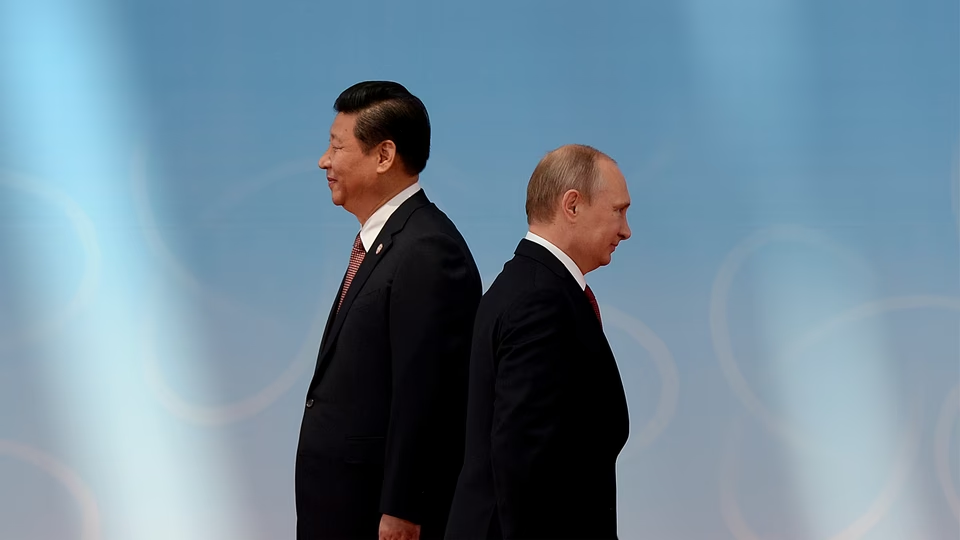
In a significant shift in global geostrategic alignments, Iran is deepening its military cooperation with both China and Russia, moving beyond diplomatic alignment into tangible weapons deals and defense partnerships. Recent reports indicate that Tehran is close to finalizing a major deal to purchase advanced supersonic anti-ship missiles from China, while also signing a substantial arms agreement with Russia for thousands of shoulder-fired missiles — developments that could reshape military capabilities in the Middle East and complicate international efforts to curb regional conflict.
Iran-China Missile Deal Nears Completion
On February 24, 2026, Reuters reported that Iran is on the verge of a deal with China to acquire CM-302 supersonic anti-ship cruise missiles, one of the most advanced Chinese-made weapons systems in its class. The CM-302 missiles — capable of traveling at high speeds and flying low to evade detection — would significantly bolster Iran’s naval strike capabilities by threatening surface ships, potentially including U.S. and allied naval forces operating in the Persian Gulf and Strait of Hormuz.
According to six sources familiar with the negotiations, the talks have been underway for at least two years and accelerated following Iran’s recent 12-day conflict with Israel in June 2025. Iranian officials, including Deputy Defense Minister Massoud Oraei, reportedly traveled to China as part of the negotiations, highlighting Tehran’s prioritization of the deal. Analysts say that such missiles would greatly extend Iran’s maritime deterrence against Western warships and rival Gulf states.
China and Iran already maintain a broad 25-year strategic cooperation agreement, signed in 2021, which encompasses economic, political, and security dimensions. While China had scaled back overt arms transfers to Iran in the 2010s due to international sanctions, recent developments show Beijing quietly supporting Tehran’s defense modernization, including missile technology and dual-use military components.
Secret Russia-Iran Weapons Contract
In parallel, a €500 million arms deal between Iran and Russia — reported by the Financial Times and later confirmed by multiple outlets — commits Moscow to deliver 500 Verba man-portable air-defense launchers and 2,500 9M336 missiles over a three-year period from 2027 through 2029. These shoulder-fired missiles are designed to enhance Iran’s short-range air defenses against aircraft, helicopters, drones, and cruise missiles — an area Tehran views as vital after extensive airstrikes targeted its defenses in recent regional conflicts.
While Reuters said the report could not be immediately verified by its own sources, leaked Russian documents cited by the Financial Times describe the contract as a strengthening of Russian-Iranian military ties. The deal reportedly was finalized in December 2025 in Moscow.
This arms agreement comes within the framework of a strategic partnership treaty between Russia and Iran, which emphasizes cooperation on shared security threats — though it stops short of a mutual defense pact. Russian naval exercises alongside Iranian forces in the Gulf of Oman underscore the growing defense cooperation at sea.
Why These Deals Matter
Together, these developments illustrate a shift from diplomatic rhetoric to concrete military collaboration between Iran, China, and Russia — an axis that strategically counters U.S. influence in the Middle East and challenges Western efforts to contain Tehran’s expanding defense capabilities.
The CM-302 deal with China, if finalized, would enable Iran to challenge naval assets far beyond its shores. These missiles have been marketed by China as effective anti-ship weapons capable of striking large vessels like destroyers and aircraft carriers, potentially threatening key U.S. naval deployments in the region.
Similarly, Russia’s arms contract would significantly enhance Iran’s mobile air defense infrastructure, compensating for gaps exposed in recent conflicts. Man-portable air defense systems are prized for their mobility and flexibility, offering Iran a distributed defensive network that is harder to suppress with airstrikes.
Geopolitical Implications and U.S. Concerns
The United States has expressed concern over growing military ties between Tehran, Beijing, and Moscow, particularly as Washington has reinforced naval forces near Iran in response to rising tensions. The U.S. administration has warned that foreign arms transfers to Iran could escalate regional instability and undermine sanctions designed to limit Tehran’s military buildup.
For its part, China has denied knowledge of specific missile negotiations while maintaining that it enforces export controls. However, its broader defense cooperation with Iran, including satellite intelligence sharing and naval activities in the Gulf region, signals a strategic alignment that extends beyond simple trade.
Russia, meanwhile, continues to balance its ties with Iran against its own military commitments, especially regarding its ongoing conflict in Ukraine. Although Moscow has called for diplomatic restraint in the Middle East, its arms supplies to Tehran reflect mutual interests in counterbalancing Western influence.
Conclusion
The emerging military cooperation between Iran, China, and Russia represents a significant development in global security dynamics. The near-completion of a Chinese missile sale and a secret Russian arms deal mark a concrete deepening of defense ties, signaling shared strategic interests that challenge Western efforts to contain Iran’s military potential. Analysts warn that such partnerships could fuel regional arms races and complicate diplomatic efforts to resolve ongoing conflicts in the Middle East.