A Deep Dive into the Rejection of Trump’s Peace Proposal by Key European Powers and its Impact on Middle East Peace Efforts
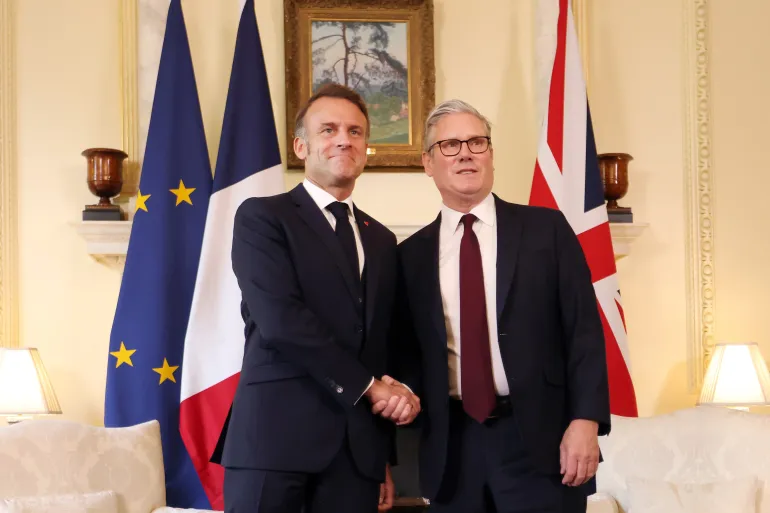
In a significant diplomatic development, both the United Kingdom and France have formally rejected former U.S. President Donald Trump’s invitation to join an international peace board focused on resolving the Gaza conflict.
This decision comes amidst growing international concern over the escalating violence between Israel and Hamas, and the challenges of brokering a long-term peace agreement. The two European powers, which have historically played key roles in the Middle East peace process, have expressed their concerns over the proposal, underscoring the complexities of peace negotiations in the region and the role of the United States in shaping these efforts.
The Proposal: Trump’s Vision for Peace in Gaza
In a series of statements and interviews, Donald Trump outlined his vision for a new peace initiative aimed at resolving the long-standing Israeli-Palestinian conflict, particularly the situation in Gaza. Trump, who brokered the Abraham Accords during his presidency—a series of normalization agreements between Israel and several Arab nations—has claimed that his unique approach could bring stability to the region. As part of this initiative, he invited several international powers, including the UK and France, to join a newly formed peace board, which would focus on creating solutions to the humanitarian crisis in Gaza and ultimately lead to lasting peace.
Trump’s plan aims to bring together various international stakeholders to facilitate dialogue between Israel and Palestine, with a strong focus on addressing the immediate humanitarian needs in Gaza and finding a sustainable solution to the cycle of violence. However, many analysts question the effectiveness of Trump’s proposals given the political complexities surrounding Gaza and the broader Israeli-Palestinian conflict.
Rejection by the UK and France: What it Means for Diplomacy
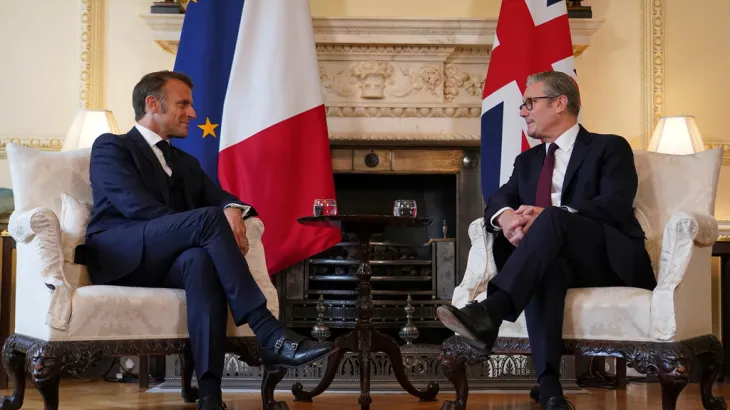
The rejection of Trump’s invitation by the United Kingdom and France marks a significant setback for his proposed peace initiative. Both countries, members of the United Nations Security Council and key players in the European Union, have long been involved in peace efforts in the Middle East, often working alongside the U.S. but also asserting their own diplomatic influence.
The UK, which has traditionally supported Israel’s right to defend itself while also advocating for a two-state solution, expressed concerns about the viability of Trump’s initiative. British Foreign Secretary James Cleverly emphasized that any peace process must be inclusive, transparent, and sensitive to the rights and aspirations of both Israelis and Palestinians. He also stressed the need for a multilateral approach, with the involvement of regional actors, international organizations like the United Nations, and non-governmental organizations that provide humanitarian aid.
Similarly, France, which has historically supported Palestinian statehood and has maintained strong ties with both Israel and the Arab world, also voiced reservations about Trump’s peace board. French President Emmanuel Macron’s administration highlighted the importance of a European role in any peace negotiations and reaffirmed its commitment to a two-state solution based on pre-1967 borders. Macron’s government has also been vocal in advocating for a peaceful and diplomatic solution, calling for an end to the violence in Gaza and for Israel and Palestine to return to direct negotiations.
The refusals from the UK and France illustrate a broader divide in international diplomacy, especially concerning the role of the U.S. in mediating the Israeli-Palestinian conflict. Critics of Trump’s approach argue that his administration’s previous policies, such as recognizing Jerusalem as the capital of Israel and withdrawing from the Iran nuclear deal, alienated many international partners and undermined the credibility of U.S. diplomacy in the region.
The Broader Context: Challenges to Peace in Gaza
The rejection of Trump’s peace board proposal also highlights the challenges of achieving a lasting peace in Gaza. The Gaza Strip has been at the center of the Israeli-Palestinian conflict for decades, with periodic outbreaks of violence and failed ceasefires. While international efforts to broker peace have been ongoing for years, the situation remains complex due to competing political interests, territorial disputes, and ideological differences between Palestinian factions like Hamas and Fatah.
One of the key obstacles to peace in Gaza is the political division between Hamas, which controls Gaza, and the Palestinian Authority, which governs the West Bank. While the Palestinian Authority is recognized as the official representative of the Palestinian people, Hamas has long opposed the peace process and rejects negotiations with Israel. This division has weakened the overall Palestinian negotiating position and complicated international efforts to mediate a solution.
On the Israeli side, there is also significant political division, with right-wing parties rejecting concessions to Palestinians and supporting settlement expansion in the West Bank. At the same time, Israeli public opinion is divided on the issue of a two-state solution, with many citizens and political leaders skeptical of its viability.
The involvement of international players like the UK, France, and the U.S. has often been seen as essential in facilitating dialogue and pushing both sides toward compromise. However, the complex political dynamics in the Middle East, coupled with the lack of trust between the parties, makes achieving a sustainable peace particularly challenging.
Conclusion: Implications for the Future of Peace Efforts in Gaza
The UK and France’s rejection of Trump’s peace initiative serves as a reminder of the complexities and challenges involved in resolving the Gaza conflict. While Trump’s proposal may have garnered attention, it appears unlikely to gain traction without broader international support and consensus. The two European powers have made it clear that any solution must be built on inclusive diplomacy, respect for international law, and a commitment to a fair and just peace process for both Israelis and Palestinians.
Moving forward, the rejection of Trump’s peace board may lead to renewed discussions about the role of multilateral diplomacy, with the UK, France, and other European countries taking a more prominent role in pushing for peace in Gaza. However, the path to peace remains uncertain, and it will require sustained efforts, cooperation, and compromise from all parties involved.