After U.S. Military Action in Venezuela and Capture of Nicolás Maduro, Washington’s Message to Mexico Highlights Regional Security Stakes and Sovereignty Risks
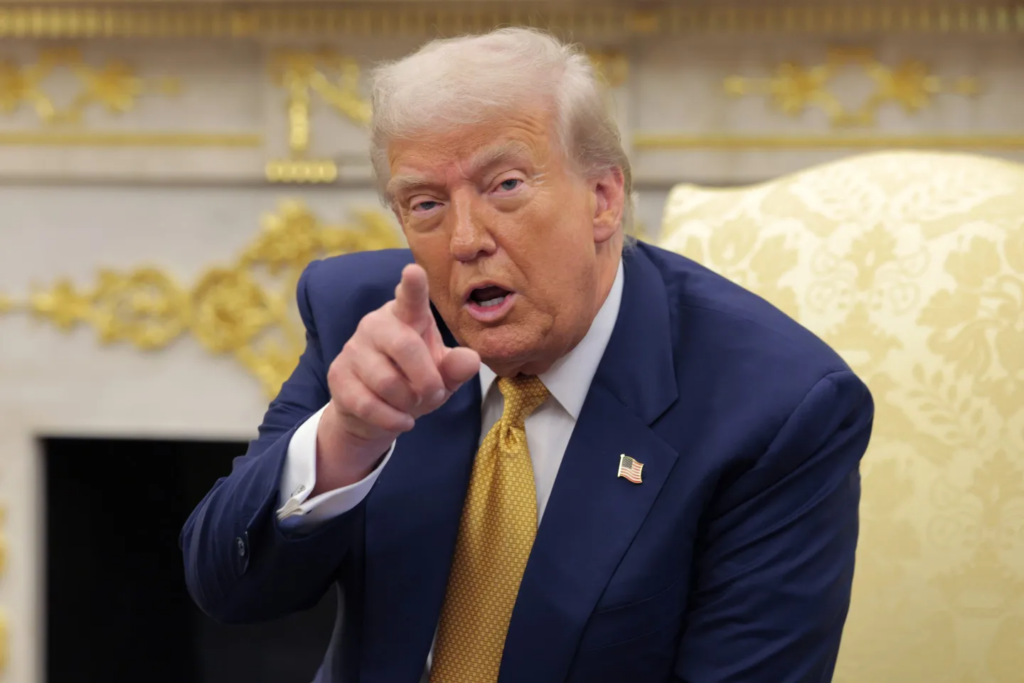
In a move that has shaken political circles across North America and Latin America, the United States has made clear to Mexico that it expects firm cooperation on key security and migration issues — using recent actions against Venezuela as a pointed example of what happens when Washington’s demands are not met. Security analysts and diplomats interpret the U.S. stance not just as policy rhetoric but as a strategic warning to Mexico, underscoring that the new American posture in the region could have implications far beyond Caracas.
The backdrop to these warnings is the extraordinary escalation between Washington and Caracas in early January 2026, when U.S. forces carried out a military operation that resulted in the capture of Venezuelan President Nicolás Maduro and his wife, a development later confirmed by U.S. and international sources. The unprecedented action, justified by Washington on security and counter‑narcotics grounds, has dramatically raised the stakes in regional diplomacy and set a geopolitical precedent that neighboring countries watch closely.
Mexico’s position has been especially sensitive. President Claudia Sheinbaum has carefully navigated diplomatic waters by condemning unilateral military intervention in Venezuela and calling for respect for international law, while also emphasizing Mexico’s longstanding policy of non‑intervention and peaceful solutions. Sheinbaum has publicly urged the United Nations to play a stronger role in defusing tensions, stressing that “no conflict should lead to bloodshed” and reiterating Mexico’s commitment to sovereignty and peaceful dispute resolution.
Despite Mexico’s diplomatic protests, U.S. officials and analysts have conveyed a clear message behind closed doors that the coordination of security and border controls — especially in tackling drug trafficking and organized crime — is considered critical to avoiding further confrontations in the region. After the Venezuela operation, security experts told Reuters that the incident served “as a warning to the entire region,” suggesting that Mexico must strengthen its cooperation with Washington to avoid similar pressure or even military considerations.
This warning is rooted in broader U.S. policy under the current administration, which has taken a more assertive approach to perceived threats in the Western Hemisphere — framed by some commentators as a modern adaptation of the Monroe Doctrine. That doctrine historically asserted U.S. dominance in the Americas and discouraged foreign interference, but critics argue today’s use reflects an inclination toward using leverage — both diplomatic and military — to achieve strategic goals. Analysts noted that Trump’s warnings have not been limited to Venezuela: there were indications that Mexico and Colombia could face pressure if they did not reduce illicit drug flows to the United States, even hinting at “actions” if cooperation was insufficient.
Mexico’s concerns are substantial. The country has one of the longest and most active shared borders with the United States, and the migration crisis — including a sharp rise in Venezuelans and other migrants seeking entry through Mexican territory — remains a key point of contention. Experts point out that unilateral actions against sovereign states, like those taken in Venezuela, could add geopolitical pressure on Mexico to comply more robustly with U.S. migration and drug‑control policies. Failure to do so, in Washington’s view, might invite more aggressive policy measures or diplomatic isolation.
Security cooperation between Mexico and the U.S. has actually deepened in recent months, particularly in tackling transnational crime. Mexico has extradited high‑ranking cartel figures and increased joint operations, which U.S. officials publicly praise as moving in the right direction. Yet, behind closed diplomatic exchanges, the message remains clear: more substantive action is expected for Mexico to avoid a fate similar to Caracas — where failing to align with U.S. security priorities led to direct intervention.
Critics of this approach — including human rights observers and some regional governments — warn that using Venezuela as an example puts Mexico in an uncomfortable position, potentially forcing domestic policy shifts under international pressure. They argue that such tactics undermine Mexico’s sovereignty and long‑held principles of non‑intervention, and could destabilize broader regional cooperation on trade, security, and migration unless balanced by increased diplomatic engagement and multilateral frameworks.
As Mexico continues to balance its relationship with Washington, the coming months are likely to be defining for North American geopolitics. Whether Mexico chooses deeper cooperation with U.S. security demands or reinforces its stance on sovereignty and peaceful conflict resolution, the shadow of Venezuela’s situation looms large as a cautionary tale — one that carries real implications for the future of hemispheric diplomacy and regional stability.