Missing Evidence in the Epstein Investigation Raises Questions About Transparency and Legal Compliance
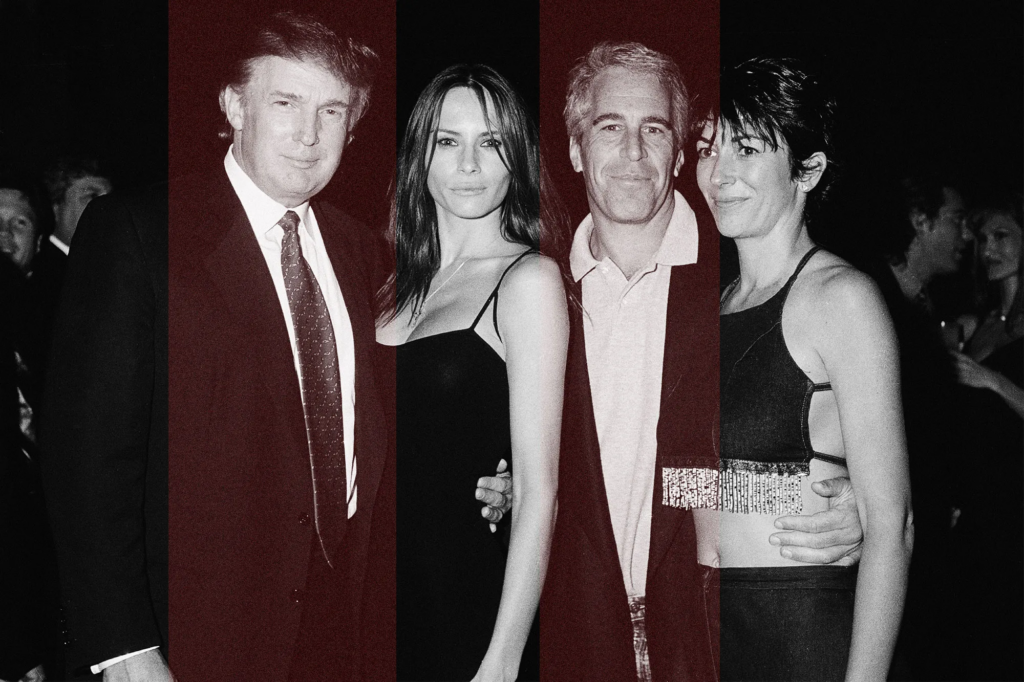
The recent revelation that crucial FBI interviews with a woman alleging sexual and physical assault by Donald Trump, committed when she was a minor, were absent from the Epstein investigation database has raised serious concerns. These interviews, which are integral to understanding the case against Trump, were reportedly omitted, violating legal protocol. This oversight not only calls into question the transparency of the investigation but also casts a shadow over the accountability of law enforcement agencies involved.
The Missing Interviews and Allegations Against Donald Trump
In a high-profile case that has long captured the public’s attention, multiple women have come forward with accusations of sexual abuse by powerful men, including financier Jeffrey Epstein and his high-profile associates. Among the most striking of these allegations is from a woman known only as “Jane Doe,” who claimed that Trump sexually and physically assaulted her when she was a minor, a scenario that places the accused in the midst of the broader allegations surrounding Epstein.
These claims emerged as part of a civil suit filed by the woman in 2016, where she alleged that Trump, at the time a billionaire real estate mogul, raped her at a party in 1994. Trump has denied these accusations vehemently. However, recent revelations indicate that FBI interviews with this woman, detailing the alleged assault, were never included in the Epstein investigation database, which is supposed to compile all related testimonies for cross-referencing.
Legal Ramifications and Oversight
According to sources, these interviews were initially conducted by FBI agents as part of their broader investigation into Epstein’s sex trafficking operations. As per legal standards and FBI procedures, any potentially related or corroborating evidence must be stored and reviewed within the Epstein investigation’s database. By omitting these key interviews, investigators may have inadvertently undermined the effectiveness of the probe into Epstein’s sexual abuse network and the high-profile figures involved, including Trump.
This omission raises several legal and ethical questions. First, why were these interviews left out of the official records? Were there procedural lapses that led to their exclusion, or was there a more deliberate attempt to suppress the evidence? Second, could this absence have influenced the subsequent legal actions—or lack thereof—taken against Trump? These missing interviews may have had a significant impact on the development of the case, potentially affecting the public perception and the legal narrative surrounding the former president.
Transparency Issues and Public Trust
The missing FBI interviews are part of a broader pattern of controversy surrounding the Epstein case, which has been marked by questions of governmental transparency, accountability, and whether powerful individuals are receiving special treatment. For years, Epstein’s extensive network of political, social, and financial connections has been seen as a shield that protected him from full prosecution, despite mounting evidence of his extensive sexual abuse operations.
In light of the Epstein scandal, the missing interviews raise doubts about whether the FBI and other law enforcement agencies were as committed to pursuing justice in this case as they should have been. The absence of such crucial evidence from the database could be perceived as a cover-up or a failure in the system designed to hold powerful figures accountable. Public trust in law enforcement is already strained due to the handling of the Epstein case, and the latest revelations threaten to further erode confidence in the FBI’s ability to operate with full transparency and integrity.
The Broader Implications of the Epstein Scandal
The Epstein case has left an indelible mark on the public consciousness. Beyond the allegations against Epstein himself, the investigation exposed a tangled web of powerful men, including politicians, businessmen, and celebrities, allegedly involved in sexual abuse and exploitation. Some of the highest-profile names linked to Epstein’s operations include former President Bill Clinton, Prince Andrew, and Donald Trump.
While many of Epstein’s associates have faced scrutiny, the legal fallout has been uneven. Some have faced criminal charges, while others have managed to escape accountability, leading many to question the integrity of the justice system. The missing FBI interviews with the woman who accused Trump add another layer of complexity to the ongoing debate about the fairness and transparency of investigations involving powerful public figures.
Conclusion: A Call for Accountability
The revelation that key interviews in the Epstein investigation were missing raises important questions about the conduct of law enforcement in high-profile cases. With the spotlight once again on the individuals accused of abuse, particularly those with significant wealth and political power, it is imperative that the system operates with the highest level of accountability and transparency. Justice for victims of abuse, regardless of the accused’s status, must be the guiding principle. The missing FBI interviews are a stark reminder of the need for oversight, and a clear call for authorities to ensure that no individual is above the law.