Rising Public Discontent and Political Instability Amid Netanyahu’s Leadership Sparks Nationwide Protests
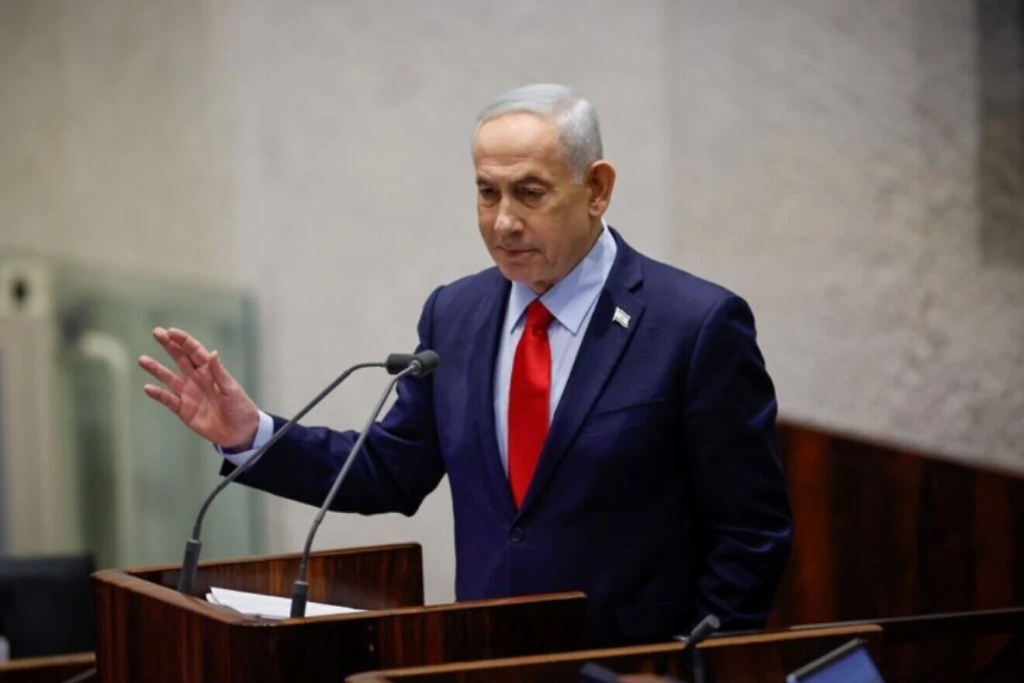
In recent months, the approval rating of Israeli Prime Minister Benjamin Netanyahu has hit an all-time low, with a staggering 71% of Israeli citizens expressing their disapproval of his leadership. This significant public dissatisfaction has ignited widespread debates and protests across the country, with many demanding his removal from office. Netanyahu’s controversial policies, legal battles, and handling of domestic issues have sparked a deep rift in Israeli society, leading to a surge in calls for his dethronement.
The Unraveling of Netanyahu’s Political Grip
Benjamin Netanyahu, who has served as Israel’s prime minister for over a decade, has been a polarizing figure in Israeli politics. His tenure has been marked by significant achievements in foreign policy, particularly regarding the normalization of relations with Arab countries through the Abraham Accords, as well as his staunch defense of Israel on the international stage. However, his leadership has been increasingly overshadowed by political scandals, allegations of corruption, and mounting dissatisfaction over his handling of internal affairs.
The recent surge in public opposition to Netanyahu can be attributed to several factors. First and foremost, his prolonged legal battles, where he faces charges of bribery, fraud, and breach of trust, have become a source of national controversy. Critics argue that these legal challenges have undermined his credibility and eroded the trust of the Israeli people in his ability to lead the country effectively.
Furthermore, Netanyahu’s policies on key domestic issues such as the economy, healthcare, and the ongoing Israeli-Palestinian conflict have been seen by many as failures. Despite the promises of economic growth, many Israelis feel the country is struggling with rising costs of living, housing crises, and income inequality. Additionally, Netanyahu’s approach to the Israeli-Palestinian conflict, marked by hardline rhetoric and military action, has failed to yield lasting peace, leading to growing frustration among citizens who are yearning for a change in direction.
The Growing Public Discontent
In a recent survey, a staggering 71% of Israelis expressed dissatisfaction with Netanyahu’s leadership. This figure highlights the deepening disillusionment among the electorate, signaling a shift away from the right-wing policies that have dominated Israeli politics for years. The public’s discontent has manifested in large-scale protests, with thousands of demonstrators taking to the streets in cities across Israel. These protests, fueled by a mixture of economic hardship and frustration over Netanyahu’s political maneuvers, have been calling for his resignation and the formation of a new government.
This widespread unrest is further compounded by the fragmentation of Netanyahu’s political allies. His Likud Party, once a pillar of Israeli politics, is now facing internal divisions, with some members of the party publicly distancing themselves from Netanyahu. Political analysts suggest that Netanyahu’s hold on power is weakening as his traditional support base begins to erode, leaving him vulnerable to a shift in leadership.
Moreover, Netanyahu’s political opponents have seized on this opportunity to present themselves as alternatives to his leadership. Leaders of the opposition, including Yair Lapid, Benny Gantz, and Naftali Bennett, have all voiced their opposition to Netanyahu’s policies and leadership style, positioning themselves as a more stable and trustworthy alternative. This has further fueled the momentum for political change, as Israelis increasingly look for new leadership to address the pressing issues facing the country.
Legal Challenges and Corruption Allegations
A central aspect of the growing public discontent is Netanyahu’s ongoing corruption trial, which has become a significant distraction from his ability to govern. Netanyahu is accused of accepting bribes from wealthy businessmen, offering regulatory favors in exchange for gifts, and seeking favorable media coverage in return for government deals. These allegations have cast a long shadow over his political career, and the trial’s ongoing nature has created a cloud of uncertainty around his future.
The legal battles have fueled perceptions that Netanyahu is more focused on protecting his own interests than on leading the country. Many Israelis believe that his personal legal issues are taking precedence over the needs of the nation, leading to widespread frustration. This perception has been exacerbated by Netanyahu’s repeated attempts to delay or avoid court proceedings, raising questions about his commitment to accountability and transparency.
The corruption charges against Netanyahu are not just legal challenges—they have also become a symbol of a larger issue in Israeli politics: the erosion of public trust in political leaders. Many Israelis see Netanyahu’s trial as emblematic of the broader culture of corruption that plagues Israeli politics. As a result, calls for his removal have grown louder, with critics arguing that Israel cannot afford to have a leader mired in scandal while the country faces numerous internal and external challenges.
The Path Forward: Will Netanyahu Be Dethroned?
With 71% of Israelis expressing discontent with Netanyahu’s leadership, it seems clear that his political future is in jeopardy. However, the road to dethroning him is not without obstacles. Netanyahu’s political machine remains formidable, and his Likud Party still holds significant power within the Israeli Knesset. Removing him from office would require a concerted effort from the opposition parties, which, despite their vocal opposition, remain divided on how to move forward.
Furthermore, Netanyahu’s supporters, particularly within the religious right and nationalist factions, continue to view him as a staunch defender of Israeli sovereignty and security. These groups may resist any attempts to oust him, further complicating efforts for political change. Nonetheless, the growing public discontent and the weakening of Netanyahu’s political base suggest that the possibility of his removal from office is becoming more likely.
Conclusion: A Nation at a Crossroads
As Israel grapples with political instability, economic challenges, and the ongoing legal saga of its prime minister, the call for Netanyahu’s resignation continues to grow louder. With 71% of Israelis expressing a desire for change, the country finds itself at a crossroads. The outcome of this political crisis will not only determine Netanyahu’s future but will also shape the trajectory of Israeli politics for years to come. Whether or not Netanyahu is dethroned, the growing calls for his removal highlight a deepening fracture in Israeli society—a desire for a new direction and leadership in the face of mounting discontent.