Iran’s Defiance to U.S. Demands Highlights a Major Shift in Middle Eastern Geopolitics
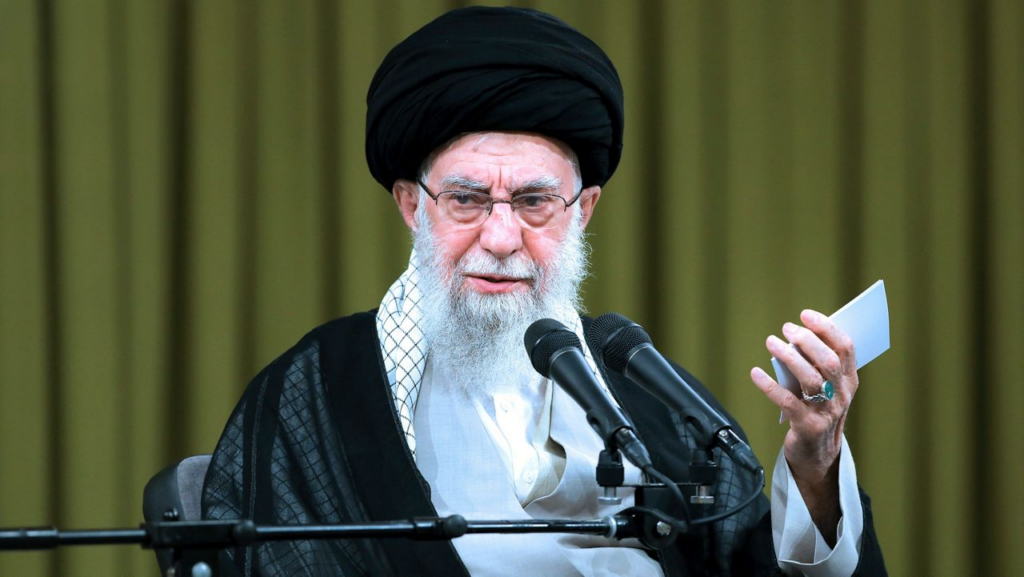
In a move that has further intensified the geopolitical tensions between Iran and the United States, Tehran has once again rejected U.S. demands to abandon its ballistic missile program. This latest development signals a continued shift in Iran’s foreign policy, one that prioritizes its military autonomy and regional influence, despite growing pressure from Western powers. The defiance comes amid ongoing nuclear negotiations and ongoing discussions about Iran’s role in the broader Middle Eastern conflict landscape. The refusal to curtail its missile program adds yet another layer of complexity to an already volatile region.
Background: The U.S. and Iran’s Ongoing Tensions
Since the 1979 Iranian Revolution, the relationship between Iran and the United States has been fraught with political and military friction. However, the tension reached new heights after Iran’s 2015 nuclear deal (Joint Comprehensive Plan of Action, or JCPOA) was abandoned by former U.S. President Donald Trump in 2018. Trump’s “maximum pressure” campaign, which aimed to isolate Iran economically and politically, placed greater focus on Iran’s missile development programs, which the U.S. considers a significant threat to its allies in the Middle East and global stability.
The U.S. has long argued that Iran’s ballistic missile advancements pose a direct threat to its partners, particularly Israel, Saudi Arabia, and other Gulf states. Washington has consistently called on Tehran to curb or abandon its missile program as part of broader discussions on nuclear disarmament and regional security. However, Iran has dismissed these calls, viewing its missile capabilities as crucial to national security and regional deterrence.
Iran’s Response: A Strong Rejection
On the diplomatic front, Iran has consistently emphasized that its ballistic missile program is defensive in nature and falls within its rights under international law. Iran’s defense ministers and other high-ranking officials have reiterated that its missile systems are meant to safeguard the country from perceived external threats, particularly from the United States and Israel. For Tehran, abandoning its missile program would mean weakening its defense posture in an increasingly volatile region.
In recent statements, Iran’s foreign ministry and defense authorities have made it clear that no negotiation will take place over its missile arsenal. The Iranian leadership, including President Ebrahim Raisi, has accused the U.S. of hypocrisy, pointing to Washington’s own missile programs and the presence of U.S. military bases in the Middle East as evidence of double standards in international security. Tehran maintains that the U.S. and its allies should focus on resolving their own security concerns rather than imposing their will on Iran.
Geopolitical Implications: Iran’s Regional Influence
Iran’s refusal to scale back its missile program comes at a time when regional geopolitics in the Middle East are shifting. The country’s missile capabilities provide it with significant leverage in its dealings with its neighbors and with global powers. Iran has established itself as a dominant player in several regional conflicts, including in Syria, Yemen, and Iraq. Its missile technology is seen as a vital tool in projecting power, especially against regional adversaries like Saudi Arabia and Israel.
Moreover, Iran’s continued defiance sends a clear message to the international community that it will not bow to Western demands that it perceives as threatening to its sovereignty. While the U.S. and its allies press for disarmament, Tehran’s missile program remains a symbol of its refusal to be subjugated by foreign powers.
The Iranian leadership has also tied its missile program to its broader political and military strategy of deterrence. In an increasingly multipolar world, where new alliances and regional power dynamics are emerging, Iran views its missile capabilities as a crucial component in safeguarding its position in the Middle East. In this context, the missile program is not just a military asset but also a political tool that reinforces Iran’s resolve and independence.
Global Reactions: A Divided World
International reactions to Iran’s stance on its ballistic missile program have been mixed. While the United States and its European allies have condemned Iran’s missile development as a destabilizing force, countries like Russia and China have taken a more neutral stance, calling for dialogue but recognizing Iran’s right to self-defense. Russia, in particular, has been an important ally of Iran, offering both diplomatic and military support in regional disputes.
Meanwhile, in the Middle East, Iran’s missile program has been a source of concern for Israel, Saudi Arabia, and other Gulf states, who view the technology as a direct threat to their security. These countries have lobbied for stronger sanctions and a more aggressive stance against Iran’s military capabilities.
The Nuclear Negotiations and the Broader Picture
Iran’s missile program remains a sticking point in the ongoing nuclear negotiations. The U.S. has attempted to link the two issues, seeking to secure a comprehensive agreement that addresses not only Iran’s nuclear ambitions but also its missile technology. However, Tehran has been adamant that the two issues are separate and should be dealt with independently.
The failure to reach an agreement on Iran’s missile program, coupled with the collapse of nuclear talks, has led to further instability in the region. U.S. sanctions remain in place, and Iran continues to push forward with its missile and nuclear programs. The stalemate leaves both sides in a precarious position, with the risk of increased conflict and further diplomatic isolation for Iran.
Conclusion
Iran’s rejection of U.S. demands to dismantle its ballistic missile program underscores the broader geopolitical and ideological divide between Tehran and the West. For Iran, its missile program is a key part of its defense strategy and national sovereignty. As long as this impasse persists, it is unlikely that any meaningful progress will be made in nuclear negotiations or in efforts to stabilize the region. The world watches closely as the U.S. and Iran continue their tense standoff, with the potential for broader conflict always looming in the background.