Tehran signals escalation as regional tensions rise and military alert levels increase across the Middle East
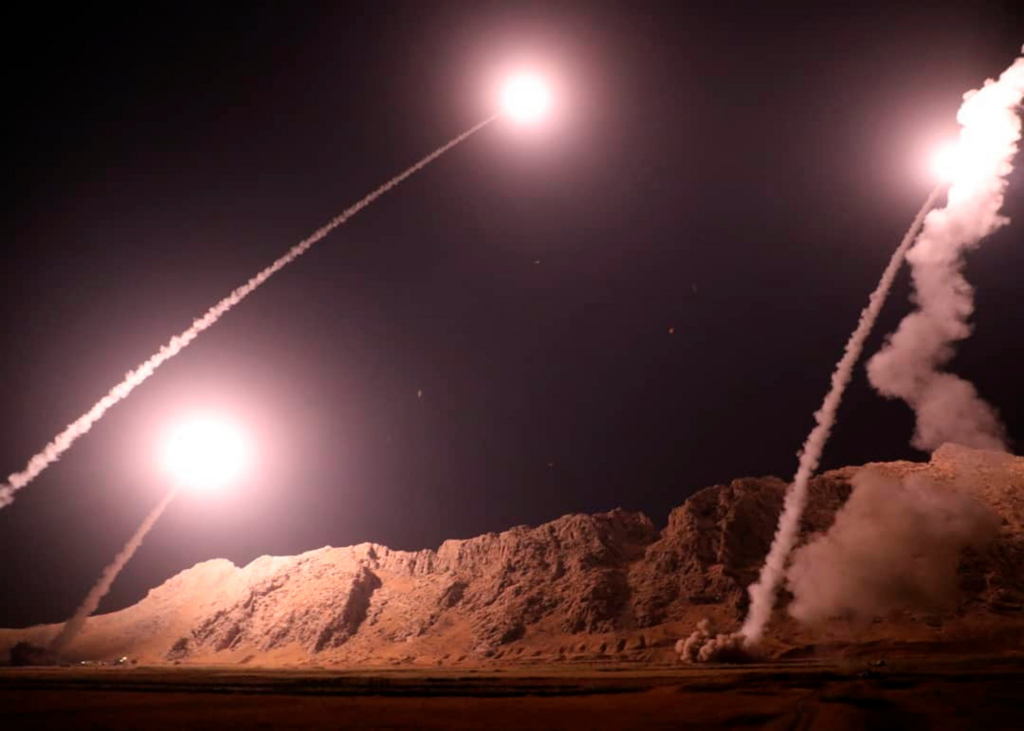
Iran has announced that it launched more than 40 missiles in what it described as the 17th wave of attacks targeting Israeli and United States-linked positions, marking a significant escalation in already heightened regional tensions. According to statements carried by Iranian state media, the latest barrage forms part of a broader, ongoing military campaign that Tehran says is aimed at deterring what it calls continued aggression by Israel and its allies. The claim has intensified concerns among international observers about the potential for a wider conflict in the Middle East.
Iranian officials framed the missile launches as a calibrated and strategic response rather than an all-out offensive. Military spokespeople indicated that the strikes were designed to hit what they described as “sensitive and strategic targets,” though independent verification of the exact impact locations and damage assessments remains limited. Israeli defense sources have historically reported high interception rates for incoming threats, and analysts expect missile defense systems to have been placed on high alert following Tehran’s announcement.
The reported 17th wave suggests a pattern of sustained pressure rather than a single isolated strike. Security experts note that repeated waves are often intended to test air defense systems, exhaust interceptor stockpiles, and maintain psychological pressure on targeted populations. If confirmed, launching over 40 missiles in one wave represents a notable operational tempo and signals Iran’s willingness to maintain prolonged engagement dynamics in the region.
Regional military watchers say the inclusion of United States positions in Iran’s stated targeting scope is particularly significant. Washington maintains military assets and personnel across several Middle Eastern locations, and any direct or indirect threat to US forces typically raises the risk of broader escalation. So far, there has been no publicly confirmed large-scale US casualty report linked to the claimed strike, but American forces in the region have previously operated under elevated force protection conditions amid similar tensions.
The timing of the announcement also matters. The Middle East has been experiencing one of its most volatile security environments in years, with overlapping conflicts, proxy engagements, and heightened rhetoric between Tehran and Tel Aviv. Iran’s messaging appears aimed not only at military impact but also at strategic signaling — demonstrating capability, resolve, and readiness to sustain pressure over time.
Israel has historically responded firmly to missile threats, relying on layered air defense systems such as Iron Dome, David’s Sling, and Arrow interceptors. Defense analysts say the effectiveness of these systems often determines whether such missile waves translate into meaningful battlefield impact or remain largely symbolic shows of force. Israeli authorities typically review interception data before issuing formal damage or casualty updates, meaning the full operational picture may take time to emerge.
From a geopolitical standpoint, repeated missile exchanges risk drawing additional regional actors into the confrontation. Gulf states, European governments, and global energy markets are closely monitoring developments, as any sustained escalation could threaten shipping routes, oil supplies, and broader regional stability. Diplomatic channels have previously worked to contain flare-ups, but the persistence of multi-wave attacks suggests de-escalation efforts are facing increasing strain.
Military analysts caution that information during fast-moving conflicts is often incomplete or influenced by strategic messaging from all sides. Independent verification from satellite imagery, third-party monitors, or official military briefings will be critical to fully assess the scale and effectiveness of the reported 17th wave. Nevertheless, Iran’s announcement alone underscores the fragile and rapidly evolving security environment across the Middle East.
As tensions remain high, the key question for policymakers and security planners is whether this pattern of repeated missile waves represents controlled signaling or the early stages of a broader confrontation. Much will depend on forthcoming responses from Israel and the United States, as well as behind-the-scenes diplomatic efforts aimed at preventing further escalation. For now, the region remains on edge, with military forces across multiple countries maintaining heightened readiness amid fears that the conflict cycle could intensify further.