Strategic deployments signal potential strikes on underground missile and nuclear facilities as regional conflict deepens
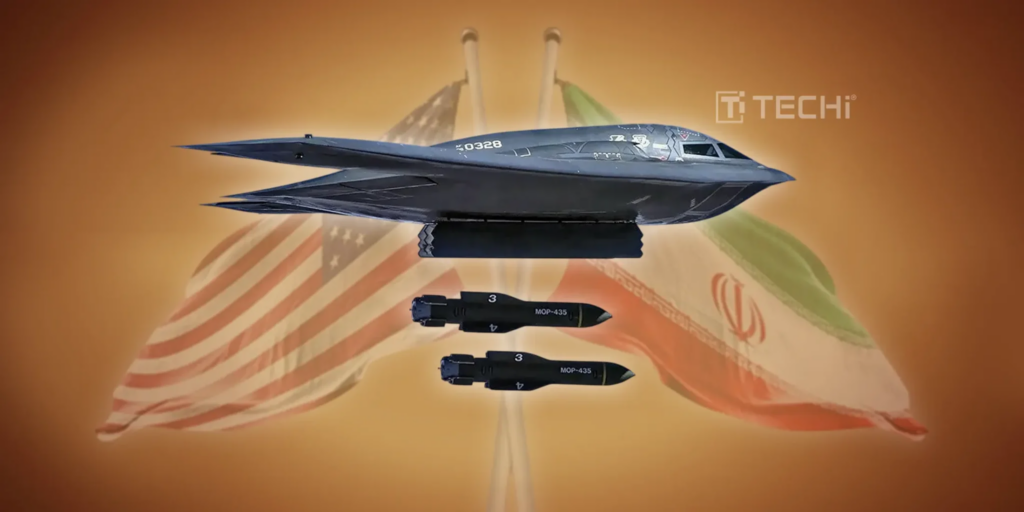
The possibility of the United States deploying B-2 stealth bombers to British-controlled bases has intensified global attention as tensions with Iran continue to rise. Recent reporting indicates that Washington is preparing military options that could include precision strikes against Iranian underground missile sites and nuclear infrastructure. While official confirmations remain limited, the developments highlight a rapidly evolving security environment in the Middle East and the growing role of allied bases in potential contingency planning.
The B-2 Spirit bomber is among the most advanced strategic aircraft in the U.S. arsenal. Designed for long-range stealth penetration, it is capable of carrying both conventional and nuclear payloads while evading sophisticated air defense systems. Historically, the aircraft has been used in high-value missions requiring deep penetration into heavily defended territory. For example, B-2 bombers previously flew lengthy missions from the United States to strike Iranian nuclear facilities during earlier operations, demonstrating their ability to reach hardened targets with precision.
According to recent reports cited by the Telegraph and echoed in international coverage, U.S. military planners have been evaluating the use of British-linked bases—including strategically located facilities such as Diego Garcia and RAF Akrotiri—to support potential operations against Iran. The Pentagon had reportedly requested access to these bases to neutralize Iranian missile capabilities amid escalating hostilities.
However, the political dimension of this development remains complex. British Prime Minister Keir Starmer initially resisted allowing U.S. offensive strikes from UK-controlled territory, citing legal and strategic concerns. He later signaled that limited use of British bases could be permitted for “defensive” operations targeting Iranian missile threats rather than broader offensive campaigns. This distinction reflects London’s effort to balance alliance commitments with domestic and international legal considerations.
Security concerns have intensified following recent regional incidents. A British Royal Air Force base in Akrotiri, Cyprus, was struck by an Iranian-made drone, causing minor damage but no casualties. The attack marked a significant escalation and prompted the United Kingdom to strengthen defenses in the region. The episode reinforced Western fears that Iranian retaliation could extend beyond traditional battle zones and potentially target allied infrastructure.
From a military standpoint, positioning B-2 bombers closer to the Middle East would significantly reduce mission time and increase operational flexibility. These aircraft are particularly suited for striking deeply buried facilities such as Iran’s underground missile depots and nuclear enrichment sites. Analysts note that any such operation would likely be part of a broader campaign involving electronic warfare, fighter escorts, and intelligence assets to suppress Iranian air defenses.
Iran, for its part, has repeatedly warned that any attacks launched from regional bases would make those facilities legitimate targets. Iranian officials have previously stated there would be “no distinction” between American and allied forces if Iran were attacked from bases within missile range. Such warnings raise the risk that the conflict could widen to include Gulf states and other Western partners hosting U.S. forces.
The strategic stakes are high. Washington and its allies argue that Iran’s expanding missile program and nuclear activities pose a growing threat to regional stability. Tehran, meanwhile, maintains that its military and nuclear programs are defensive and accuses the United States and Israel of escalating tensions through preemptive military planning.
At present, there is no publicly confirmed timeline for any U.S. strike involving B-2 bombers. Much will depend on diplomatic developments, intelligence assessments, and the trajectory of the ongoing Iran-related crisis. Military deployments often serve both operational and signaling purposes, meaning the movement of strategic bombers can function as deterrence even if strikes never occur.
Still, the reported preparations underscore how quickly the confrontation with Iran could intensify. With British bases potentially playing a supporting role and Iran warning of retaliation, the situation remains highly volatile. Observers across the region and beyond are closely monitoring whether these military signals translate into actual combat operations—or remain part of a high-stakes deterrence posture.