Mixed messages from Tehran and Washington fuel uncertainty as diplomatic channels quietly reopen during the 2026 Middle East crisis
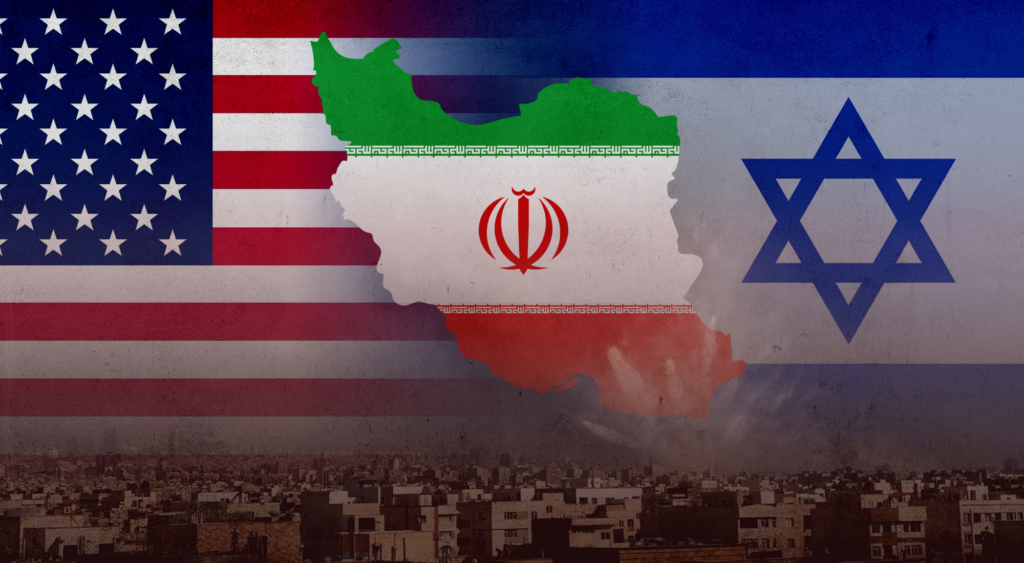
Iran has reportedly shown signs of openness to discussing terms that could end the ongoing conflict with the United States and Israel, according to recent international reports, but the situation remains highly fluid and disputed. The development comes at a moment of intense regional escalation, with military strikes, economic disruption, and diplomatic pressure all shaping the rapidly evolving crisis.
According to a report cited by Reuters, operatives linked to Iran’s Ministry of Intelligence signaled a willingness to engage in discussions with the U.S. Central Intelligence Agency through an unnamed third country. The outreach was described by officials as an attempt to explore pathways to end the war, which has expanded across multiple fronts in the Middle East. However, the same report highlighted immediate pushback from Tehran, with Iran’s semi-official Tasnim News Agency dismissing the claims as “psychological warfare,” underscoring the deep mistrust surrounding any potential negotiations.
The conflicting narratives reflect the broader strategic ambiguity that has defined the 2026 Iran conflict. While some Western and regional officials interpret the alleged outreach as a sign Tehran may be feeling pressure from sustained U.S.-Israeli military operations, Iranian officials publicly maintain that formal negotiations—especially under current conditions—are not on the table. In fact, Iran’s ambassador to the United Nations in Geneva recently ruled out talks with Washington, even as backchannel signals reportedly emerged.
The diplomatic maneuvering is unfolding against the backdrop of a widening military confrontation. Joint U.S. and Israeli strikes have targeted Iranian military and nuclear infrastructure, while Iran has retaliated with missile and drone attacks against Israeli territory and U.S.-aligned Gulf positions. The conflict has also triggered the ongoing Strait of Hormuz crisis, disrupting global energy markets and raising fears of a broader regional war. Analysts say the economic pressure from these disruptions may be one factor pushing all sides to at least consider off-ramps to escalation.
European leaders have increasingly urged a return to diplomacy. France, Germany, and the United Kingdom jointly called on Iran to pursue a negotiated solution and exercise restraint, emphasizing the risks to regional stability and global energy supplies. Meanwhile, Turkey has confirmed it is engaging with multiple parties to help restore negotiations and reduce tensions, signaling growing international concern about the trajectory of the conflict.
Financial markets have already reacted to reports of potential diplomatic movement. European stocks rose after news of Iran’s “secret outreach,” reflecting investor hopes that even limited talks could reduce the risk of a prolonged war in the energy-critical Gulf region. Oil prices also pulled back slightly amid speculation that diplomacy might eventually ease supply fears, though volatility remains high.
Despite these tentative signals, major obstacles remain. U.S. officials have expressed skepticism about Iran’s intentions, with senior American defense figures previously arguing that Tehran has not historically negotiated in good faith on nuclear and security issues. At the same time, Israeli leadership has indicated the military campaign could continue for some time, suggesting that any diplomatic breakthrough may still be distant.
There is also the question of internal Iranian politics. Past nuclear and regional talks between Tehran and Washington have repeatedly stalled over key demands, particularly uranium enrichment limits and sanctions relief. Iran has consistently insisted on its right to enrichment, while the United States has pushed for strict curbs—one of the core disputes that derailed earlier negotiations. Until these structural disagreements are addressed, experts warn that exploratory contacts alone are unlikely to produce a rapid ceasefire.
For now, the situation remains characterized by parallel tracks: active military confrontation alongside faint diplomatic feelers. Whether the reported Iranian outreach represents a genuine shift toward negotiations or merely tactical signaling is still unclear. What is certain is that the stakes continue to rise—not only for the regional balance of power but also for global energy markets and international security.
As the conflict enters a critical phase, the coming weeks will likely determine whether backchannel diplomacy can gain traction or whether the Middle East is headed toward a deeper and more prolonged confrontation.