Former President Calls on Republicans to Prioritize Voting Reform Bill as a Defining Legislative Battle — Despite Internal GOP Dissent and Senate Roadblocks
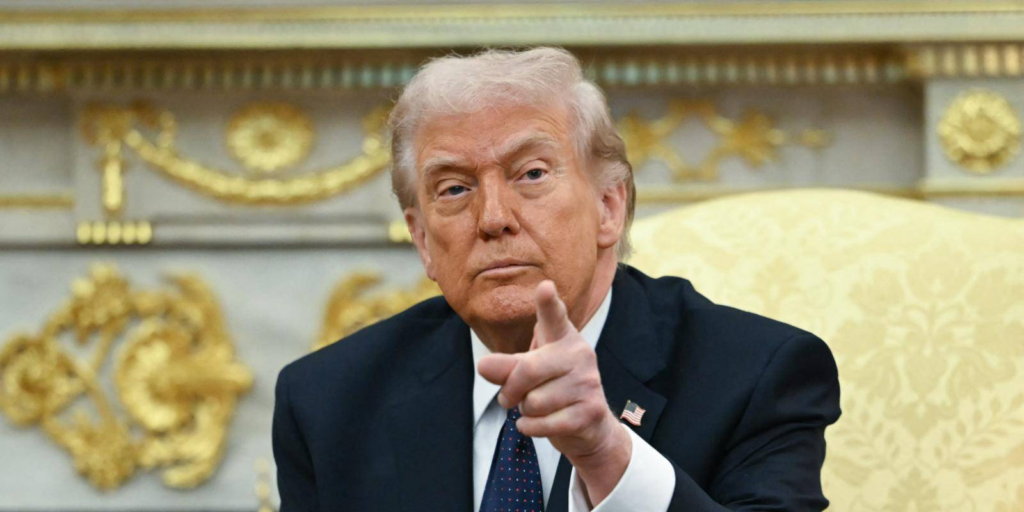
In a bold and combative political statement this week, former President Donald Trump publicly urged Republican lawmakers to make passage of the contentious SAVE America Act their top priority, declaring it a “country‑defining fight for the soul of our nation.” Trump’s comments, posted on his social media platform Truth Social, underscore the high‑stakes political battle unfolding in Washington as Republican leaders grapple with internal divisions and procedural hurdles in the Senate.
In his message, Trump wrote, “The Republicans MUST DO, with PASSION, and at the expense of everything else, THE SAVE AMERICA ACT — And not the watered‑down version.” The emphatic language signals his determination to place the bill—which would overhaul federal voting requirements—at the forefront of the GOP legislative agenda.
What Is the SAVE America Act?
The SAVE America Act—formally known as the Safeguard American Voter Eligibility Act—is a sweeping elections bill championed by conservative Republicans that would significantly tighten voter requirements for federal elections. Originally introduced in 2025 and revived in 2026, the legislation would require all voters to present government‑issued photo identification and documentary proof of U.S. citizenship in order to register and vote.
Under the bill’s provisions:
- Voters would need to show documentary proof such as a passport, naturalization certificate, or birth certificate to register.
- Mail‑in ballots would be broadly restricted, with exceptions only for active military personnel, those with illness or disability, or individuals traveling.
According to Republicans, these requirements are needed to secure American elections and combat alleged voter fraud. Trump and supporters argue that proving citizenship prevents non‑citizens from unlawfully influencing elections and thus protects the integrity of the democratic process.
A Divided GOP and Senate Hurdles
Despite Trump’s call to action, the SAVE America Act faces steep resistance, even from within the Republican Party. The legislation passed the House of Representatives along party lines but has stalled in the Senate, where it lacks the 60 votes needed to break a filibuster under current rules. Senate Republican leaders, including Senate Majority Leader John Thune, have openly expressed skepticism about the legislation’s ability to advance given procedural constraints and lack of bipartisan support.
Trump has taken an unusually aggressive stance toward fellow Republicans in the Senate, urging Thune to “be a leader” in rallying support for the bill and pushing back against procedural barriers. At the same time, he threatened to block or delay other legislative priorities until the SAVE America Act is passed—essentially forcing it to the top of the GOP agenda.
This strategy could have far‑reaching consequences: by holding up other laws and budget priorities, the Republican Party risks legislative gridlock and public frustration, as critical issues like infrastructure funding and appropriations remain unresolved.
Criticism and Controversy Surrounding the Bill
While Trump and many Republican lawmakers frame the SAVE America Act as essential to election integrity, the bill has drawn intense criticism from Democrats, voting rights advocates, and civil liberties groups. Opponents argue that the bill’s requirements could disenfranchise millions of eligible voters, especially low‑income Americans, minority communities, seniors, and individuals who lack ready access to required documents.
Senate Democrats have labeled the bill “Jim Crow 2.0,” comparing it to historical voter suppression measures and warning that it could undermine the democratic participation of millions of Americans. They have pledged to oppose the bill at every turn, making bipartisan support highly unlikely.
The contrasting views highlight a broader philosophical divide in American politics: Republicans emphasize security and accountability in elections, while Democrats stress inclusion and access. As the midterm elections approach, this debate over voting policy has become one of the most polarizing in contemporary U.S. politics.
Trump’s Broader Political Strategy
For Trump, pushing the SAVE America Act goes beyond simple legislative reform—it is part of a broader strategy to galvanize the Republican base and shape the 2026 midterm elections. Trump and his allies argue that passing the bill would boost GOP electoral prospects by preventing alleged “illegal elections” and ensuring that only U.S. citizens participate in federal elections.
By framing the act as a defining battle for the nation’s future, Trump is attempting to blur the lines between legislative priorities and partisan electoral strategy. His rhetoric emphasizes urgency, portraying the bill as essential not only for governance but for preserving what he calls “the soul of the nation.”
Looking Ahead
As Republican lawmakers weigh their options, the SAVE America Act remains a focal point of fierce debate in Washington. Trump’s pressure campaign has intensified scrutiny on both the bill itself and the broader implications of voter eligibility reform in America. Whether the bill will ultimately pass the Senate and become law remains uncertain—but one thing is clear: it will continue to dominate headlines and shape discussions leading into the next election cycle.