Iran Confirms Death of Ali Larijani in Major Blow to Leadership Amid War
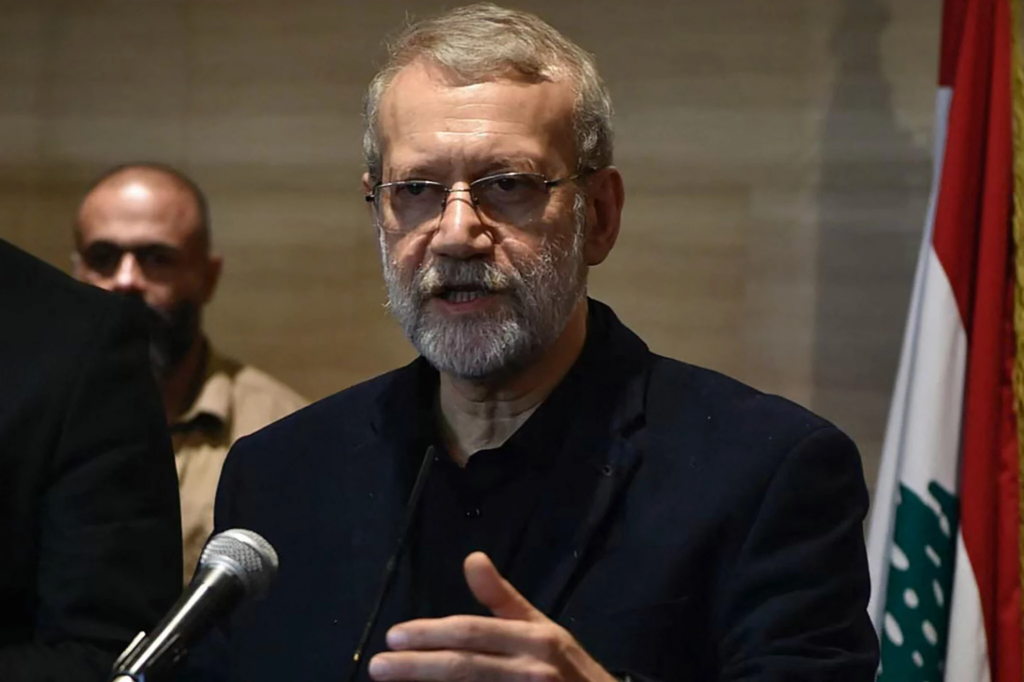
Iran has officially confirmed the death of Ali Larijani, one of the country’s most influential political and security figures, in what reports describe as a targeted airstrike amid the ongoing war involving Iran, the United States, and Israel. His killing marks one of the most significant developments in the conflict so far, raising serious questions about Iran’s leadership structure and the future direction of the war.
According to multiple international reports, Larijani was killed in a strike in Tehran believed to have been carried out by U.S.-Israeli forces targeting high-level Iranian leadership. The attack reportedly also resulted in the deaths of individuals close to him, including members of his security detail and family, highlighting the precision and high-value nature of the operation.
Larijani was widely regarded as a central figure in Iran’s political and military decision-making apparatus. Over the years, he held several key positions, including serving as speaker of parliament, chief nuclear negotiator, and most recently as a top national security official. Following the earlier reported death of Iran’s Supreme Leader, Larijani had emerged as one of the most powerful figures within the Iranian system, playing a critical role in shaping wartime strategy and coordinating responses to foreign attacks.
His death represents a major blow to Iran’s leadership at a time when the country is already facing immense military and political pressure. Analysts suggest that the loss of such a high-ranking figure could create instability within Iran’s command structure, potentially shifting more power toward military institutions such as the Islamic Revolutionary Guard Corps (IRGC).
The strike that killed Larijani is part of a broader campaign targeting Iran’s senior leadership and military infrastructure. In recent weeks, several key Iranian figures have reportedly been eliminated, signaling an escalation in the conflict and a strategic effort to weaken Iran’s ability to coordinate its military and political responses.
International reactions to Larijani’s death have been mixed. While Israeli officials have framed the operation as a necessary step to neutralize threats and weaken Iran’s strategic capabilities, other countries, including Türkiye and some European states, have expressed concern about the legality and potential consequences of targeting high-level political figures. Critics argue that such actions risk further escalating the conflict and could trigger retaliatory measures from Iran and its regional allies.
From a strategic perspective, Larijani’s killing underscores the increasing role of intelligence-driven operations in modern warfare. Unlike traditional large-scale battles, the current conflict has been characterized by targeted strikes aimed at disrupting leadership networks and decision-making chains. This approach, while effective in the short term, also carries the risk of intensifying hostilities and prolonging the conflict.
Within Iran, the government is expected to respond strongly, both rhetorically and militarily. Iranian officials have previously vowed severe retaliation for attacks on their leadership, and Larijani’s death is likely to further fuel calls for revenge. The situation also raises concerns about internal stability, as the loss of senior leadership figures could create power struggles or shifts within the political system.
Experts note that Larijani was not only a political figure but also a key architect of Iran’s foreign policy and nuclear strategy. His involvement in past negotiations and his influence within the government made him a critical player in shaping Iran’s international posture. His absence may complicate diplomatic efforts and reduce the likelihood of near-term negotiations aimed at de-escalating the conflict.
The broader implications of this development extend beyond Iran. The killing of such a high-profile leader could have ripple effects across the Middle East, influencing alliances, military strategies, and geopolitical calculations. Countries in the region are closely monitoring the situation, aware that further escalation could impact regional stability and global energy markets.
As the conflict continues, the focus will likely shift to how Iran restructures its leadership and whether it can maintain cohesion in the face of sustained external pressure. The death of Ali Larijani marks a pivotal moment in the war, highlighting both the intensity of the confrontation and the evolving nature of modern conflict, where leadership targets have become central to military strategy.
In conclusion, Iran’s confirmation of Larijani’s death represents a significant turning point in the ongoing war. It not only reflects the scale of the conflict but also signals a new phase in which leadership decapitation strategies may play an increasingly prominent role. How Iran responds—and how the international community reacts—will be critical in determining the next chapter of this rapidly evolving crisis.