Trump Vows to Strike Iran’s South Pars Gas Field if Qatar LNG Plant Is Hit Again
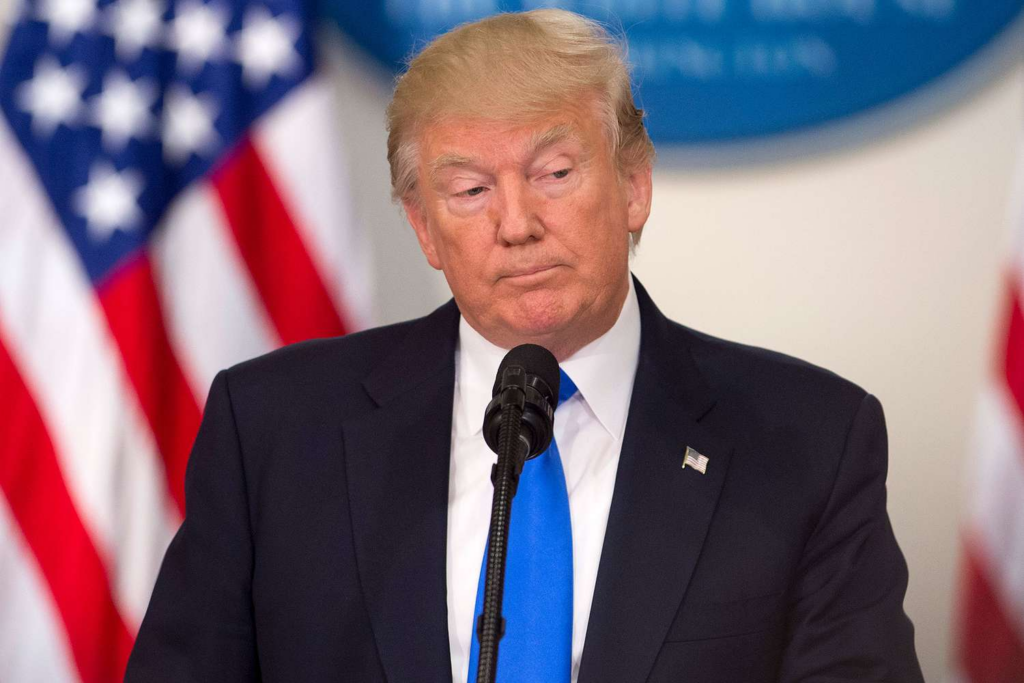
U.S. President Donald Trump has issued a strong warning to Iran, stating that the United States could “massively blow up” Iran’s major gas infrastructure if Iranian forces target Qatar’s liquefied natural gas (LNG) facilities again. The statement marks a sharp escalation in rhetoric as tensions rise across the Gulf region following a series of attacks on energy infrastructure.
According to multiple international reports, Trump’s warning came after Iranian retaliatory strikes hit energy sites in Qatar, including parts of its critical LNG infrastructure. These attacks followed earlier strikes on Iran’s own gas facilities, particularly the strategically vital South Pars gas field—the world’s largest natural gas field jointly shared between Iran and Qatar.
In response, Trump made it clear that any further attacks on Qatar would trigger a severe U.S. response. He warned that Washington would not hesitate to target Iran’s gas infrastructure directly if Doha’s facilities were struck again. The statement signals a potential shift toward targeting energy assets, which analysts consider a highly sensitive and dangerous escalation in modern warfare.
The South Pars gas field is a cornerstone of Iran’s economy and a major contributor to global energy supply. It is connected to Qatar’s North Field, forming the largest natural gas reserve in the world. Damage to this shared energy system has already had ripple effects, disrupting production and contributing to rising global energy prices.
Recent attacks have intensified fears about the vulnerability of energy infrastructure in the Gulf. Qatar, one of the world’s leading LNG exporters, has already faced disruptions after strikes targeted facilities in Ras Laffan, a key hub responsible for a significant portion of global gas exports. Analysts warn that continued attacks could severely impact global energy markets, as Qatar supplies nearly 20% of the world’s LNG.
Trump also emphasized that the United States and Qatar were not involved in earlier strikes on Iranian gas facilities, distancing Washington from actions that triggered Iranian retaliation. At the same time, he warned Iran against miscalculations, framing the U.S. position as defensive but resolute in protecting allies and global energy stability.
The broader context of this warning lies in the rapidly escalating conflict involving Iran, the United States, and Israel. Over recent weeks, the region has seen a surge in missile attacks, drone strikes, and targeted operations against strategic infrastructure, particularly energy facilities. This shift toward economic targets has heightened global concern, as such strikes can disrupt supply chains far beyond the Middle East.
Experts note that targeting energy infrastructure represents a major escalation because of its global implications. Unlike traditional military targets, oil and gas facilities are deeply integrated into the world economy. Any significant damage can lead to price spikes, supply shortages, and economic instability across multiple continents.
In this case, both Iran and its adversaries appear to be using energy infrastructure as a strategic pressure point. Iran has warned Gulf countries against supporting U.S. or Israeli operations, while its adversaries have targeted Iranian facilities to weaken its economic and military capabilities. This cycle of action and retaliation has increased the risk of a broader regional conflict.
International reactions to Trump’s statement have been mixed. Some analysts see it as a deterrent aimed at preventing further Iranian strikes on Qatar, while others warn that such rhetoric could escalate tensions further. European and regional leaders have called for restraint, urging all parties to avoid targeting civilian and economic infrastructure, which could lead to long-term global consequences.
The situation is further complicated by the strategic importance of the Gulf region, particularly the nearby Strait of Hormuz, through which a significant portion of the world’s oil and gas supplies pass. Any escalation involving energy facilities could disrupt shipping routes and amplify the global economic impact of the conflict.
For Qatar, the stakes are especially high. As a major energy exporter, the country’s LNG infrastructure is critical not only for its own economy but also for global energy security. Repeated attacks could force prolonged shutdowns, affecting markets in Europe, Asia, and beyond.
Trump’s warning therefore reflects a broader strategic message: attacks on allied energy infrastructure will not go unanswered. However, it also raises the risk that future escalations could involve direct strikes on critical economic assets, potentially pushing the conflict into an even more dangerous phase.
As tensions continue to rise, the coming days will be crucial in determining whether diplomatic efforts can prevent further escalation—or whether the conflict will expand into a wider confrontation with significant global consequences.