Survey reveals public skepticism over motives behind military action as Epstein controversy continues to dominate headlines
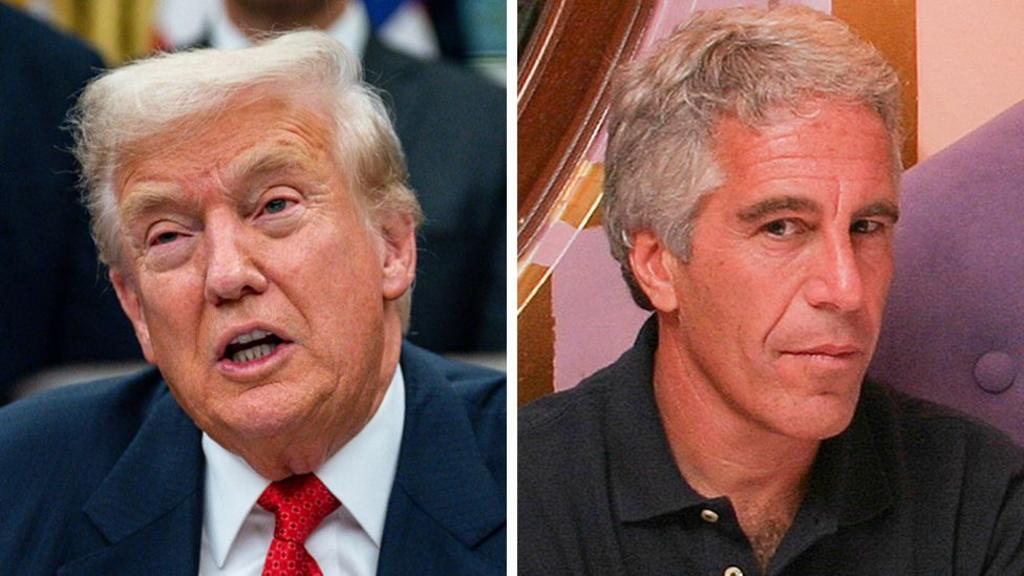
A new public opinion survey has revealed that a majority of Americans believe Donald Trump may have launched military action against Iran at least partly to distract from ongoing controversy surrounding the Jeffrey Epstein files, highlighting deep political divisions and rising public skepticism over the motivations behind the war.
According to polling data conducted in early March 2026 by Data for Progress and partner organizations, 52% of likely U.S. voters said they believe Trump’s decision to initiate military strikes on Iran was “at least partly” influenced by the Epstein scandal, while 40% disagreed and 8% remained unsure.
The findings come amid widespread debate in the United States over both the ongoing Iran conflict and the government’s handling of the Epstein case, which has continued to generate intense political and public scrutiny.
What the Poll Actually Shows
The survey does not prove any direct link between the war and the Epstein files. Instead, it reflects public perception and opinion, which appears to be shaped by the timing of events and ongoing distrust in political institutions.
Breakdown of the poll results shows strong partisan differences:
- 81% of Democrats believe the war was at least partly a distraction
- 52% of independents agree
- Only 26% of Republicans share that view
This divide highlights how political affiliation significantly influences how Americans interpret major geopolitical decisions.
Background: Epstein Files Controversy
The Epstein case continues to cast a long shadow over U.S. politics. Earlier in 2026, the U.S. Department of Justice released millions of pages of documents related to Epstein, including videos and records tied to his network.
While these files have fueled speculation and public debate, it is important to note:
- Many claims circulating online remain unverified or unsubstantiated
- No court ruling has established the specific allegations mentioned in viral narratives
- Investigations into Epstein’s network remain politically sensitive and incomplete
Experts and analysts caution against drawing conclusions based solely on public speculation or incomplete information.
Is There Evidence of a “Distraction Strategy”?
At present, there is no confirmed evidence that the Iran war was initiated to distract from the Epstein files.
However, political analysts say the perception exists because:
- The war began shortly after renewed attention on Epstein documents
- Public trust in government transparency is already low
- Major geopolitical events often shift media attention away from domestic controversies
Some experts note that even if unintentional, large-scale conflicts can dominate headlines, temporarily reducing focus on scandals.
Misinformation and Online Narratives
The situation has also been amplified by misinformation campaigns online. Researchers have found that some viral posts linking the war directly to Epstein claims are false or manipulated, spreading rapidly on social media.
This has contributed to confusion, making it difficult for the public to distinguish between:
- Verified information
- Political opinion
- Conspiracy theories
Political Impact
The belief that the war may be linked to domestic political issues could have significant consequences:
- It may affect public support for the war
- It could influence upcoming elections
- It adds pressure on the administration to provide transparency
At the same time, lawmakers from both parties continue to demand more clarity on both the Iran conflict strategy and the handling of Epstein-related documents.
Conclusion
While a majority of surveyed Americans believe there may be a connection between the Iran war and the Epstein controversy, this remains a matter of public opinion—not verified fact.
The situation reflects a broader trend in modern politics, where public trust, media narratives, and geopolitical events intersect, often creating competing interpretations of major decisions.
As both the conflict in Iran and the Epstein investigations continue to unfold, the debate over motive, transparency, and accountability is likely to remain a central issue in U.S. political discourse.