State media confirms blaze at key facility as regional tensions escalate and energy infrastructure comes under increasing threat
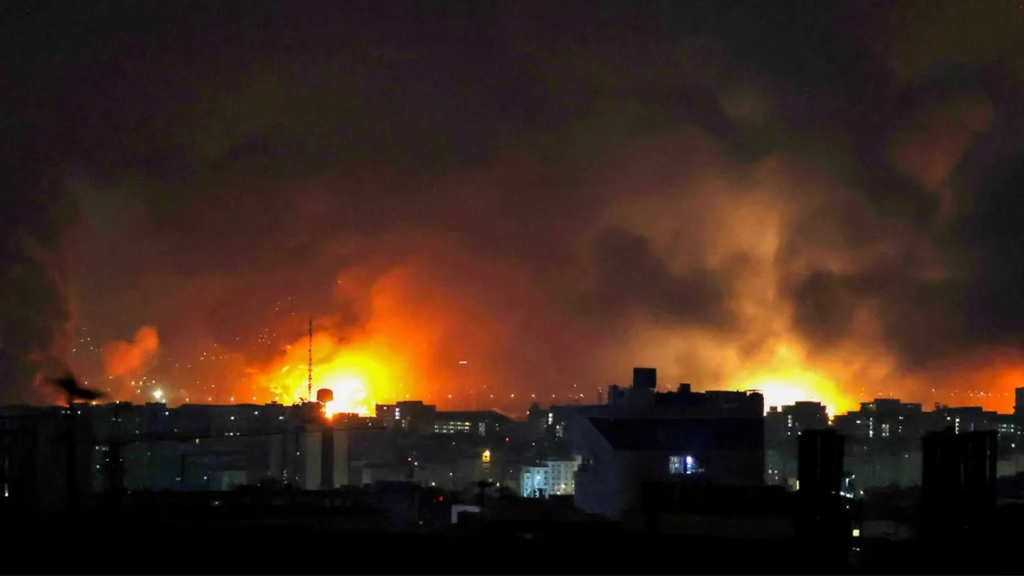
A drone attack targeting an oil refinery in Kuwait has sparked a fire at the facility, according to state media reports, intensifying concerns over the vulnerability of critical energy infrastructure in the Gulf region amid escalating geopolitical tensions. The incident marks another alarming development in a series of attacks on oil and gas facilities across the Middle East, as the ongoing conflict involving Iran, the United States, and Israel continues to expand in scope.
Kuwaiti authorities confirmed that the fire broke out shortly after a drone struck part of the refinery complex. Emergency response teams were immediately dispatched to the scene, working to contain the blaze and prevent it from spreading to other sections of the facility. Initial reports indicate that the fire was brought under control within hours, though investigations are ongoing to determine the full extent of the damage and whether there were any casualties.
The targeted refinery is considered a vital component of Kuwait’s oil production and refining capacity. As one of the world’s leading oil exporters, Kuwait plays a critical role in global energy markets, and any disruption to its refining operations can have ripple effects across international supply chains. Even limited damage can impact output levels, delay shipments, and contribute to volatility in oil prices.
While no group has officially claimed responsibility for the attack, analysts believe it is likely connected to the broader regional conflict that has increasingly seen energy infrastructure become a focal point of military and strategic operations. In recent weeks, multiple incidents involving drones, missiles, and sabotage have targeted oil facilities, shipping routes, and energy hubs across the Gulf, signaling a shift toward economic warfare tactics.
The use of drones in such attacks highlights the evolving nature of modern conflict. Compared to traditional military strikes, drones are relatively low-cost, difficult to detect, and capable of delivering precise strikes on critical infrastructure. This makes them particularly effective tools for disrupting high-value targets such as oil refineries, pipelines, and storage facilities. Experts note that even a single drone strike can trigger fires or operational shutdowns, leading to significant economic consequences.
Kuwaiti officials have emphasized that the country’s energy sector remains resilient, with contingency measures in place to ensure continuity of operations. Backup systems, rapid response teams, and enhanced security protocols are part of Kuwait’s strategy to mitigate the impact of such incidents. However, the attack underscores the ongoing challenge of protecting vast and complex energy facilities from emerging threats.
The broader regional context adds to the seriousness of the situation. Tensions between Iran and its adversaries have escalated sharply, with repeated exchanges of strikes and warnings. Gulf countries, including Kuwait, have found themselves increasingly exposed to spillover effects from the conflict, despite efforts to maintain neutrality and avoid direct involvement.
Global markets reacted cautiously to the news, with oil prices showing signs of volatility as traders assessed the potential impact on supply. Energy analysts warn that continued attacks on Gulf infrastructure could lead to sustained price increases, particularly if major facilities are damaged or forced to shut down for extended periods. Given the Gulf’s central role in global oil production, even localized disruptions can have far-reaching implications.
International reactions have focused on the need to protect energy infrastructure and ensure the stability of global supply chains. Several countries have called for restraint and de-escalation, warning that attacks on civilian and economic targets could further destabilize the region. Maritime and energy security have become top priorities, with increased coordination expected among Gulf states and their allies.
The incident also raises questions about the adequacy of current defense systems in protecting critical infrastructure from drone threats. While many Gulf countries have invested heavily in air defense technologies, the increasing sophistication and frequency of drone attacks present new challenges. Experts suggest that a combination of advanced detection systems, electronic warfare capabilities, and physical security measures will be necessary to counter these threats effectively.
For residents and workers in the affected area, the attack serves as a stark reminder of the risks posed by the ongoing conflict. Authorities have urged the public to remain calm and follow official guidance, while also reassuring that the situation is under control. Safety measures have been reinforced around key facilities, and security levels remain high across the country.
As investigations continue, attention will be focused on identifying the source of the attack and preventing future incidents. The Kuwaiti government is expected to review its security protocols and may seek additional support from regional and international partners to strengthen defenses against similar threats.
The drone strike on Kuwait’s oil refinery highlights the growing vulnerability of energy infrastructure in a time of heightened geopolitical tension. As the conflict in the region continues to evolve, the protection of such critical assets will remain a central concern for governments, industries, and global markets alike.