Israel Closes Church of the Holy Sepulchre for First Time in Centuries, Sparks Global Concern
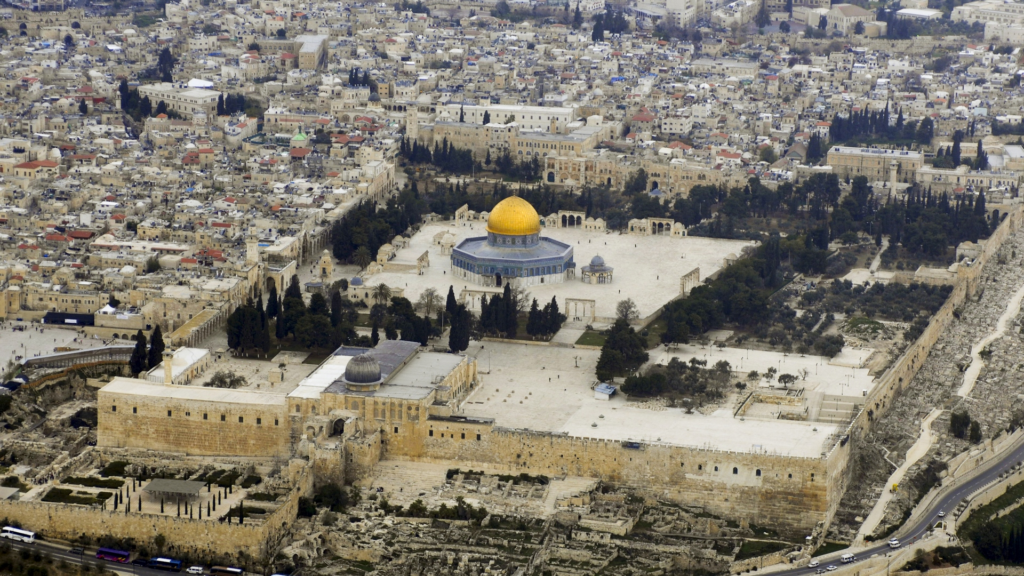
In a highly controversial and unprecedented development, authorities in Israel have reportedly closed the Church of the Holy Sepulchre in Jerusalem, marking what many are describing as the first such closure in centuries. The move has sparked global concern and intense debate, particularly due to claims that the church has remained open for nearly 1,200 years, even during periods of Islamic rule and regional conflict.
The Church of the Holy Sepulchre is widely regarded as one of the most sacred sites in Christianity, believed by many to be the location of the crucifixion, burial, and resurrection of Jesus Christ. Its closure therefore carries immense religious significance, affecting millions of Christians worldwide and drawing immediate reactions from religious leaders, governments, and international organizations.
According to initial reports, the closure was implemented due to escalating security concerns amid the ongoing regional conflict involving Israel, Iran, and allied forces. Authorities have not publicly disclosed all operational details, but officials indicated that the decision was taken to ensure public safety and prevent potential incidents in Jerusalem’s Old City, which has remained a focal point of tension throughout the crisis.
The claim that the closure is unprecedented in over 1,200 years has fueled significant debate. Historically, the church has remained open through various regimes, including Islamic caliphates, Ottoman rule, and even during periods of war and political upheaval. While there have been temporary closures in modern times due to disputes between Christian denominations or specific security situations, a shutdown of this scale and context is being described as highly unusual.
Religious authorities representing the different Christian denominations that jointly administer the church—including the Greek Orthodox, Armenian Apostolic, and Roman Catholic churches—have reportedly expressed deep concern over the development. The church operates under a delicate “status quo” arrangement that governs access, maintenance, and religious practices, making any unilateral closure particularly sensitive.
Global reactions have been swift. Christian leaders across Europe, the Middle East, and the Americas have called for the immediate reopening of the site, emphasizing its importance as a place of worship and pilgrimage. Many have urged Israeli authorities to reconsider the decision and ensure that religious freedoms are respected, even amid security challenges.
Political analysts note that the closure comes at a time of heightened tension not only due to the broader regional conflict but also due to the fragile status of Jerusalem itself. The city holds deep religious significance for Judaism, Christianity, and Islam, making any action affecting holy sites particularly sensitive and potentially destabilizing.
From a security perspective, authorities argue that extraordinary circumstances may require extraordinary measures. Jerusalem has experienced periodic unrest, and the ongoing conflict has raised fears of attacks, protests, or other incidents that could endanger civilians and religious sites. Closing access to key locations may be seen as a preventive step, though it inevitably carries political and religious consequences.
Critics, however, argue that such measures risk inflaming tensions rather than reducing them. The closure of a major religious site could be perceived as a restriction on religious freedom, potentially triggering backlash both locally and internationally. Some observers warn that it could also impact interfaith relations, particularly in a region where religious coexistence is already under strain.
The economic impact is also significant. The Church of the Holy Sepulchre is a major destination for pilgrims and tourists, contributing to the local economy in Jerusalem’s Old City. Its closure affects not only religious activities but also businesses that depend on tourism, including hotels, restaurants, and shops.
Historians and scholars have weighed in on the claim regarding the 1,200-year precedent, noting that while the church has indeed remained open through long periods of history, there have been rare exceptions. However, they agree that a closure in the current geopolitical context is highly unusual and underscores the seriousness of the situation.
As the situation develops, attention will be focused on how long the closure will last and whether negotiations between religious authorities and Israeli officials can lead to a resolution. International pressure may play a role in influencing the outcome, particularly if the issue continues to attract global attention.
Ultimately, the reported closure of the Church of the Holy Sepulchre represents more than a security measure—it is a moment with deep symbolic significance. It highlights the intersection of religion, politics, and conflict in one of the world’s most sensitive regions. Whether temporary or prolonged, the decision is likely to have lasting implications for religious access, regional stability, and international perceptions.
As millions around the world watch closely, the hope remains that access to this sacred site will be restored soon, preserving its role as a place of faith, history, and shared human heritage.