Authorities tighten monitoring of fuel quality and pricing amid rising public concerns across the kingdom
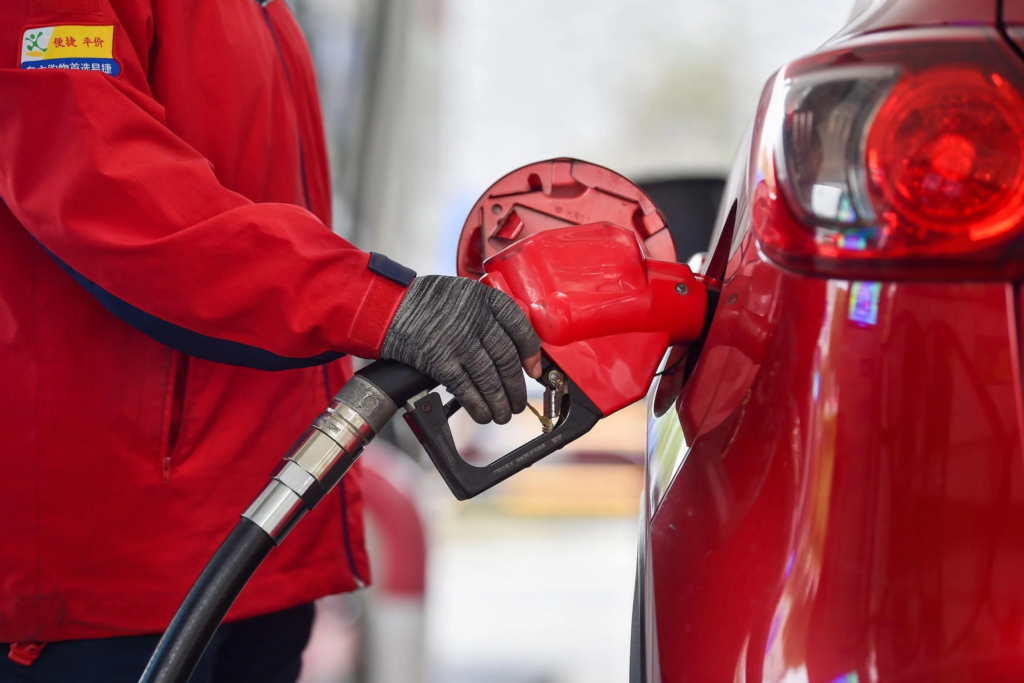
The government of Jordan has launched a nationwide inspection campaign targeting fuel stations following a surge in consumer complaints regarding pricing irregularities, fuel quality concerns, and suspected violations of regulatory standards.
The inspections are being carried out by relevant regulatory authorities in coordination with the energy and trade ministries, focusing on ensuring compliance with national fuel distribution laws and protecting consumer rights.
Why the Inspections Were Launched
According to officials, the decision to intensify inspections comes after a noticeable increase in public reports alleging issues such as:
- Inconsistent fuel pricing between stations
- Concerns about fuel quality and performance
- Possible violations in measurement standards at pumps
Authorities stated that these complaints prompted immediate action to verify whether fuel stations are adhering to approved regulations.
Scope of the Nationwide Campaign
The inspection drive covers all major regions of Jordan, including urban centers and highway fuel stations. Inspectors are checking:
- Accuracy of fuel dispensing meters
- Pricing compliance with government regulations
- Storage conditions and safety standards
- Licensing and operational permits
Stations found in violation may face penalties, fines, or temporary suspension depending on the severity of the breach.
Government’s Consumer Protection Focus
Officials emphasized that the campaign is part of broader efforts to strengthen consumer protection and maintain transparency in essential services. Fuel is considered a critical commodity in Jordan, and any irregularities can directly impact transportation costs and household expenses.
The government has also urged citizens to continue reporting suspicious practices to help authorities identify non-compliant stations more effectively.
Public Reaction and Economic Context
The announcement has been welcomed by many consumers who have long expressed concerns about fuel pricing transparency. However, some station owners have cautioned that operational costs and global oil price fluctuations can sometimes create misunderstandings among customers regarding price changes.
Jordan, like many import-dependent countries, remains sensitive to global energy market shifts, which often influence domestic fuel pricing structures.
Conclusion
Jordan’s decision to launch widespread fuel station inspections reflects growing efforts to ensure fairness, transparency, and accountability in the energy sector. As investigations continue, authorities aim to restore public confidence and ensure that fuel distribution practices remain fully compliant with national standards.