Tehran acknowledges death of top Revolutionary Guards naval leader following Israeli precision operation
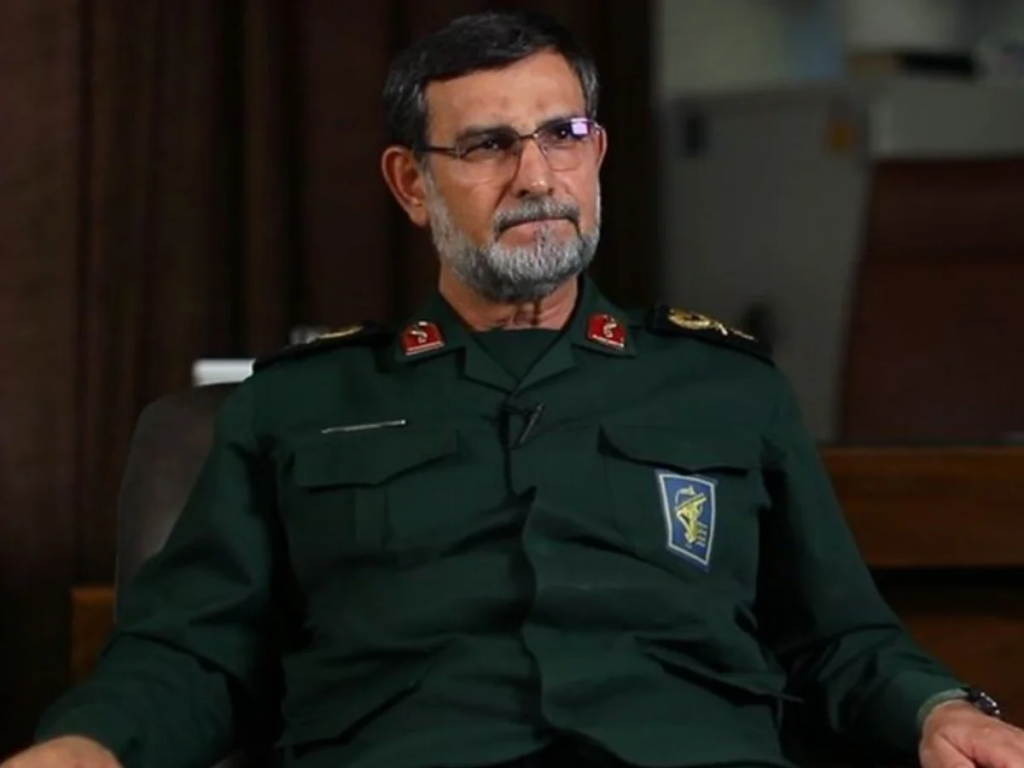
Iran has officially confirmed the **death of Alireza_Tangsiri, the commander of the Islamic Revolutionary Guard Corps (IRGC) Navy, after he sustained severe injuries in a targeted strike that occurred days earlier, Iranian state media and military sources reported. This confirmation marks a significant escalation in the ongoing conflict between Iran and Israel, with potential implications for regional military and geopolitical dynamics.
Confirmed by Iranian Authorities
On March 30, 2026, Iranian media and IRGC statements acknowledged that Tangsiri, a senior naval commander, had succumbed to his wounds after being critically injured in an attack that Iranian officials have linked to Israeli military operations. The confirmation came after several days of speculation and international reporting on the strike that targeted high-ranking figures within Iran’s naval command structure.
Details of the Strike
According to reports from international media and military sources, the strike occurred in the strategic port city of Bandar Abbas, a key military and naval hub for Iran on the Persian Gulf. The Israel Defense Forces previously stated that it conducted a precise operation against senior IRGC naval leaders, including Tangsiri, in what it described as a deliberate effort to degrade Iran’s maritime military capabilities.
Israeli officials said the operation was part of broader efforts to counter Iran’s influence and operational reach in the Gulf region, particularly with respect to maritime threats and strategic choke points such as the Strait of Hormuz, which Iran has at times threatened to close in response to international military pressure.
Who Was Alireza Tangsiri?
Alireza Tangsiri was a senior IRGC naval officer who had led the IRGC Navy since 2018. Over his long military career, he was known for his hardline stance and strong rhetoric against Western military forces, particularly the United States and Israel. Tangsiri played a central role in shaping Iran’s naval strategy, which included the deployment of fast attack craft, missile-equipped vessels, and asymmetric warfare tactics designed to challenge U.S. and allied naval presence in the Gulf.
His leadership was particularly notable in the context of repeated tensions in the Persian Gulf, where Iranian forces have clashed with Western navies over freedom of navigation operations and sanctions enforcement. Tangsiri’s command also oversaw activities that Tehran framed as defending national sovereignty and regional interests.
Regional and Strategic Implications
The death of Tangsiri represents a major blow to Iran’s naval command structure and could have significant ramifications for the ongoing conflict between Iran and Israel. Analysts suggest that removing such a senior and experienced commander may disrupt Iran’s operational planning and reduce its capacity to coordinate complex maritime operations.
However, Iran’s military hierarchy is highly centralized, and the IRGC is expected to appoint a successor swiftly to maintain continuity of command. Tehran has not yet publicly announced Tangsiri’s replacement, but such a move is likely imminent given the strategic importance of naval operations in the Gulf.
International Reaction and Escalation Risks
The confirmation of Tangsiri’s death is likely to further inflame tensions between Iran and its adversaries. Regional actors and global powers are closely monitoring developments, with concerns that targeted killings of high-ranking military officials could escalate hostilities or trigger retaliatory actions.
The strike and its aftermath also highlight the increasingly direct nature of military engagement between Israel and Iran, bypassing traditional proxy dynamics and involving overt operations on Iranian soil. This shift may alter strategic calculations across the Middle East and influence diplomatic efforts aimed at de-escalation.
Conclusion
Iran’s confirmation of the killing of IRGC Navy Commander Alireza Tangsiri underscores the deepening conflict between Tehran and Israel, with significant implications for regional security and naval operations in the Persian Gulf. As Iran mourns a senior military leader, the broader strategic consequences of this development continue to unfold amid ongoing hostilities and international concern.