Coordinated barrages trigger sirens across northern Israel as air defenses engage multiple aerial threats
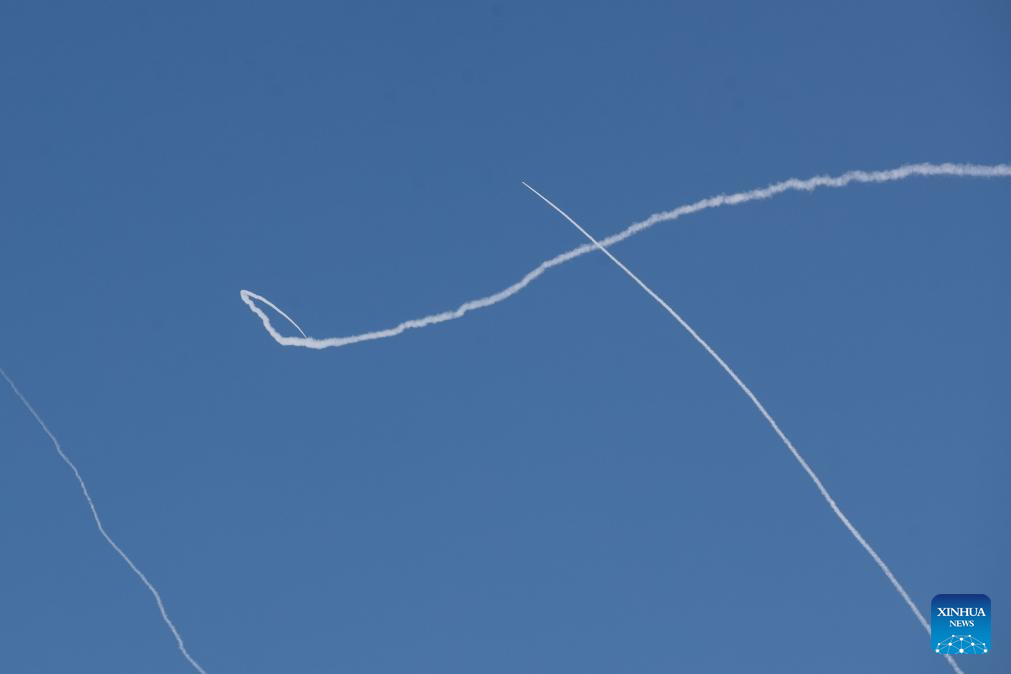
In a dramatic escalation of the ongoing regional conflict, **simultaneous rocket and missile fire from both Iran and Lebanon was reported toward the Haifa and Galilee regions of northern Israel, triggering widespread air raid sirens and activating Israel’s layered air defense systems. The coordinated barrage reflects a growing trend of cross-border hostilities involving state and non-state actors in the Middle East.
According to reports, missiles were launched from Iranian territory while dozens of rockets were fired from Lebanon, primarily by the armed group Hezbollah, toward northern Israeli population centers including Haifa and surrounding communities in the Galilee. Sirens sounded in multiple areas, prompting residents to seek shelter as air defenses engaged the incoming projectiles.
Coordinated Barrages and Air Defense Response
Israeli authorities confirmed that sirens were activated across Haifa, the Upper and Lower Galilee, and other northern regions following the detection of multiple rocket and missile launches. The Israel Defense Forces stated that most of the projectiles were intercepted by air defense systems, including the Iron Dome, though details on the exact number of interceptions versus impacts on the ground remain limited.
In one incident during the barrage, a building in the Upper Galilee was struck amid the combined attacks, and emergency services responded to reports of a person treated for shock, highlighting the risk even when defenses are largely successful.
Strategic and Tactical Implications
The simultaneous launch of rockets and missiles from geographically distinct fronts underscores a coordinated strategy to stretch Israeli defenses and amplify psychological pressure on civilians and military planners alike. Launching projectiles from both Iran and Lebanon complicates interception efforts and forces constant alert status among residents and security forces in northern Israel.
Hezbollah’s involvement from Lebanon adds a proxy dimension to the conflict, reinforcing Iran’s influence and reach in the region. The group has previously fired large barrages of rockets toward northern Israel, sometimes numbering in the dozens or even hundreds, triggering sirens and forcing widespread use of shelters.
Civilian Impact and Emergency Response
While most rockets and missiles are intercepted before causing significant harm, debris and secondary explosions can still pose dangers to civilians and infrastructure. In the Upper Galilee, emergency responders were dispatched to assess potential damage and assist those affected by the barrage.
The repeated activation of sirens and alerts has also contributed to heightened anxiety among residents in northern communities, with many experiencing disruptions to daily life as they take cover during successive waves of aerial threats.
Broader Conflict Context
This latest coordinated rocket and missile fire occurs against the backdrop of an intensifying regional conflict involving Iran, Israel, and allied actors. Iran’s missile capabilities and willingness to target Israeli territory directly have been a central concern for regional stability, while Hezbollah’s frequent rocket launches from Lebanon underscore the risk of the conflict spreading beyond a single front.
The pattern of cross-border attacks from both state and non-state actors raises the risk of broader escalation, with military analysts warning that continued barrages could draw in additional regional powers or prompt more aggressive defensive measures by Israel.
Conclusion
The simultaneous rocket fire from Iran and Lebanon toward Haifa and the Galilee represents a significant escalation in the ongoing conflict, highlighting the complex interplay between Iranian strategic interests and Hezbollah’s operational capabilities. As air defenses continue to intercept incoming threats, the situation remains volatile, with civilians and military forces alike bracing for further developments.