Iran launches one of its most intense missile offensives of the 2026 war, triggering widespread sirens across Israel and testing advanced air defense systems amid escalating regional conflict.
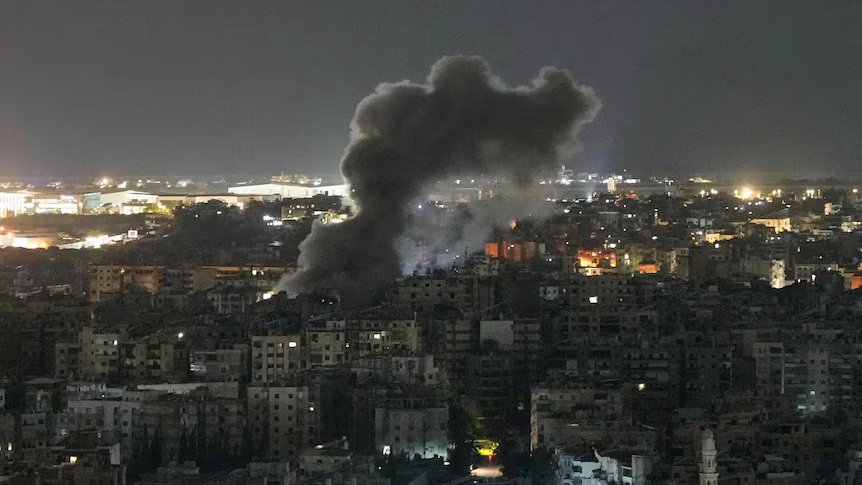
Iran has reportedly carried out its largest strike on Israel since the start of the 2026 war, according to multiple Hebrew media outlets, marking a major escalation in an already volatile regional conflict. The reported barrage involved a significant number of ballistic missiles and possibly drones, targeting both northern and central areas of Israel, with air raid sirens activated across major population centers.
While official confirmation on the exact scale of the attack remains limited, the characterization by Hebrew media as the “biggest strike so far” suggests a notable increase in both intensity and coordination compared to previous Iranian retaliatory actions.
Scale and Nature of the Attack
Since the war began in late February 2026, Iran has launched multiple waves of missile strikes toward Israel, often in response to joint U.S.-Israeli operations targeting Iranian military infrastructure.
However, this latest reported attack stands out due to its scale and timing, indicating a possible shift in Iran’s military strategy. Analysts suggest the barrage may have included long-range ballistic missiles and potentially cruise missiles or drones, designed to overwhelm Israel’s layered defense systems such as Iron Dome, David’s Sling, and Arrow.
Previous Iranian strikes have already demonstrated the ability to reach deep into Israel, including Tel Aviv and surrounding regions, causing casualties and structural damage in earlier phases of the conflict.
Air Defense Response and Civilian Impact
Israel’s defense systems were immediately activated following detection of the incoming threats. Sirens reportedly sounded across wide areas, forcing millions of civilians to seek shelter in reinforced rooms, underground facilities, and public bunkers.
Although interception systems have proven effective in reducing casualties, earlier attacks have shown that some missiles can still penetrate defenses, resulting in injuries and damage to residential and commercial buildings.
As of initial reports, there has been no confirmed large-scale casualty figure from this specific strike, but emergency services remain on high alert, assessing impact zones and responding to any damage caused by falling debris or direct hits.
Context: Escalation in the 2026 Iran–Israel War
The 2026 conflict began after coordinated U.S.-Israeli strikes on Iranian military and nuclear-linked facilities under a broader operation aimed at degrading Tehran’s capabilities.
In response, Iran has adopted a strategy of direct missile retaliation combined with proxy warfare, involving groups such as Hezbollah in Lebanon and the Houthis in Yemen. This multi-front approach has significantly expanded the battlefield, placing pressure on Israel’s defenses from several directions.
Recent weeks have seen escalating hostilities, including:
- Missile launches toward Israel
- Drone attacks on Gulf infrastructure
- Strikes on regional military and energy targets
The latest large-scale strike appears to be part of this broader pattern of escalation, potentially signaling Iran’s intent to intensify pressure on Israel both militarily and psychologically.
Strategic Implications
Military experts suggest that a “largest strike” designation is not only about the number of missiles launched but also about coordination, targeting precision, and strategic messaging.
Such a large-scale attack serves multiple purposes:
- Demonstrating Iran’s remaining missile capabilities despite earlier strikes
- Testing the limits of Israel’s air defense systems
- Sending a deterrent message to both Israel and its allies, including the United States
At the same time, it raises the risk of further escalation, as Israel is likely to respond with additional strikes on Iranian or proxy targets, continuing the cycle of retaliation.
Regional and Global Reactions
The escalation has drawn concern from international observers, with multiple countries urging restraint and calling for diplomatic solutions. However, with both sides engaged in sustained military operations, the likelihood of immediate de-escalation remains low.
The broader conflict has already had global consequences, including rising oil prices, military deployments across the Middle East, and increased geopolitical tensions.
Conclusion
The reported largest Iranian strike on Israel since the war began marks a critical moment in the 2026 conflict. Whether this represents a peak in escalation or the beginning of an even more intense phase remains uncertain.
What is clear is that the scale and frequency of attacks are increasing, pushing the region closer to a prolonged and potentially wider conflict. As both sides continue to exchange strikes, the situation remains highly volatile, with significant implications for regional and global security.