Tehran rejects widespread speculation about its supreme leader’s death, insisting he is alive and in “full health” despite ongoing absence from public view.
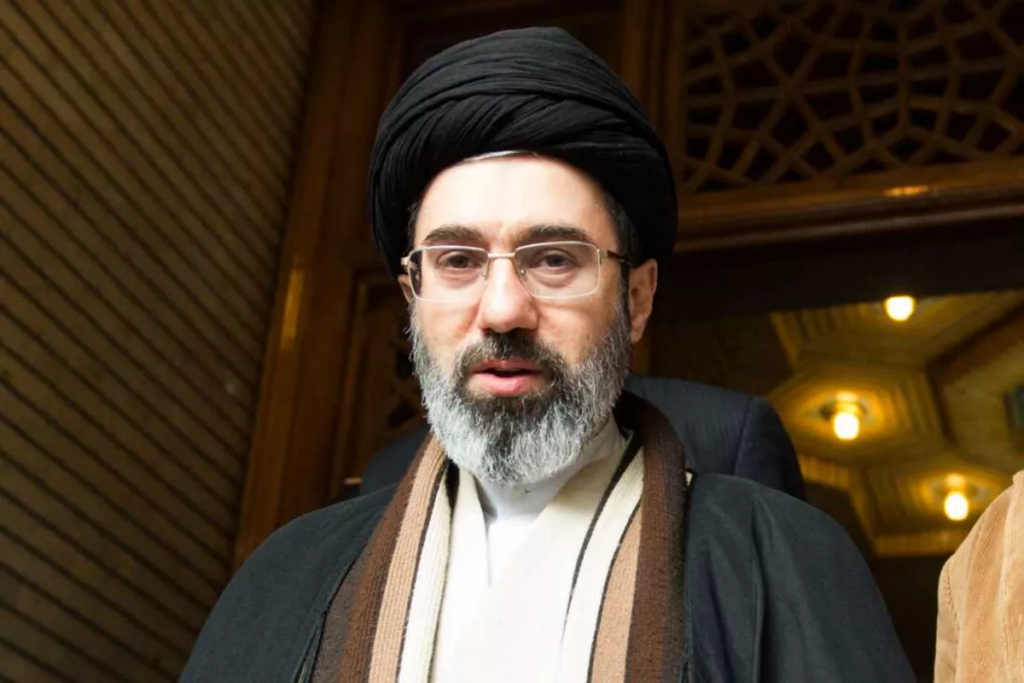
Iran has firmly denied rumors surrounding the death of its Supreme Leader, Mojtaba Khamenei, stating that he is alive, healthy, and fully in control, even as speculation continues to spread across global media and social platforms.
According to official statements from Iran’s Foreign Ministry, Khamenei is in “full health” and continues to lead the country despite not appearing publicly since assuming leadership during the ongoing regional conflict. Iranian authorities have attributed his absence to security concerns and wartime conditions, rather than any medical emergency or death.
Rumors Sparked by Sudden Disappearance
Speculation about Khamenei’s condition began shortly after he stopped making public appearances, breaking with traditional leadership patterns in Iran. His absence from televised speeches, national events, and key political announcements led to widespread rumors ranging from serious injury to death.
Reports from international observers and intelligence-linked sources suggested that Khamenei may have been injured during early strikes in the conflict, contributing to the uncertainty.
In addition, conflicting claims from foreign officials and media outlets fueled confusion. Some suggested he may be in hiding, while others raised questions about whether he is physically capable of governing.
Iran’s Official Response
Iranian officials have strongly rejected all such claims. A senior spokesperson stated clearly that “rumors of death are false” and emphasized that the Supreme Leader remains actively involved in decision-making.
Diplomatic sources, including statements cited by international media, have also backed Iran’s position. For example, a Russian envoy confirmed that Khamenei is inside Iran and avoiding public exposure for security reasons, not due to illness or death.
Tehran has framed the rumors as part of psychological warfare and misinformation campaigns, accusing adversaries of attempting to create instability by spreading false narratives about leadership uncertainty.
Why the Secrecy?
Analysts believe the lack of public appearances is likely tied to heightened security risks. As the Iran conflict intensifies—with ongoing tensions involving the United States and Israel—top leadership figures are considered high-value targets.
Operating from undisclosed locations and limiting public exposure is a common wartime strategy aimed at preventing assassination attempts and ensuring continuity of command.
Despite the secrecy, Iranian state media has continued to release written statements and messages attributed to Khamenei, including communications with regional allies such as Hezbollah, reinforcing the narrative that he remains in control.
Global Reaction and Doubts
While Iran insists its leader is alive and well, skepticism remains among international observers. Some Western officials have questioned the lack of visual proof, noting that in modern political systems, prolonged absence from public view often raises legitimate concerns.
Even political figures such as Donald Trump have publicly stated uncertainty about Khamenei’s status, reflecting broader doubts within global political circles.
However, intelligence assessments cited in multiple reports suggest that there is no confirmed evidence of death, even if details about his condition remain unclear.
Impact on Iran’s Political Stability
The rumors surrounding Khamenei’s health highlight a critical issue: leadership transparency during wartime. In Iran’s political system, the Supreme Leader holds ultimate authority over military, political, and religious matters. Any uncertainty about this role can have significant implications.
Despite speculation, there are no confirmed signs of internal instability within Iran’s governing structure. Key institutions, including the military and the Islamic Revolutionary Guard Corps (IRGC), continue to operate normally, suggesting that command and control remain intact.
Still, the ongoing rumors reflect broader geopolitical tensions and the intense information battle surrounding the conflict.
Conclusion
Iran’s firm denial of rumors regarding Mojtaba Khamenei’s death underscores the high stakes of information warfare in modern conflicts. While Tehran insists its leader is alive and healthy, his continued absence from public view continues to fuel speculation worldwide.
Until clear visual confirmation emerges, questions may persist—but officially, Iran’s position is clear: its Supreme Leader is not dead and remains in charge.