U.S. President Donald Trump prepares for a high-stakes national address as political pressure, economic concerns, and global tensions intensify over the ongoing Iran conflict.
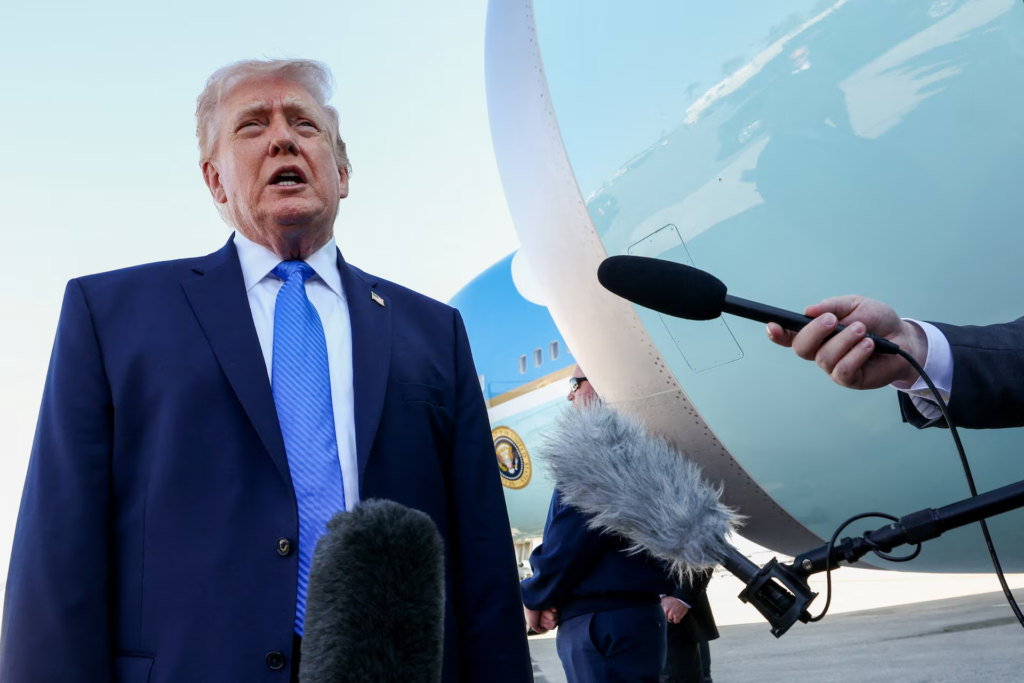
U.S. President Donald Trump is set to deliver a national address on the ongoing Iran war, as mounting domestic and international pressure forces the White House to clarify its strategy in one of the most consequential conflicts in recent years. The speech, scheduled for Wednesday night, is expected to provide what officials have described as an “important update” on the war’s direction and possible next steps.
The announcement comes more than a month after the United States, alongside Israel, launched major military strikes on Iran, triggering a regional conflict that has rapidly expanded across the Middle East. Since then, the war has intensified, involving missile attacks, drone strikes, and disruptions to global energy supply routes.
Growing Pressure at Home
Trump’s decision to address the nation follows rising political pressure within the United States, where public opinion has increasingly turned against the war. Polls indicate declining approval ratings, with many Americans concerned about the conflict’s economic impact, including rising fuel prices and inflation.
The economic consequences have been particularly significant. Oil prices have surged due to disruptions in the Strait of Hormuz, a critical global shipping route, pushing gasoline prices to multi-year highs and increasing pressure on the administration to find a resolution.
At the same time, critics in Washington have questioned the administration’s unclear long-term strategy, pointing to shifting messages about whether the goal is regime change, deterrence, or a limited military objective.
Signals of Possible De-Escalation
In recent days, Trump has suggested that the war could be nearing its end, stating that U.S. forces may withdraw within “two to three weeks” and that major objectives have largely been achieved.
Secretary of State Marco Rubio has also indicated that the U.S. is approaching the “finish line” in its military campaign, further fueling speculation that Trump’s address could outline a path toward de-escalation or partial withdrawal.
However, despite these signals, fighting continues across the region, and Iran has shown no clear signs of backing down. Tehran has maintained pressure through missile launches and by restricting access to key maritime routes, keeping tensions high.
Global and Diplomatic Challenges
The conflict has also strained U.S. relations with its allies, particularly within NATO. Trump has openly criticized European nations for not providing sufficient support, raising concerns about fractures within the Western alliance.
Meanwhile, international efforts to broker peace have intensified. Countries including China and Pakistan have proposed ceasefire frameworks aimed at reopening critical shipping lanes and stabilizing global markets.
Despite these efforts, diplomatic progress remains uncertain, with both sides maintaining strong positions and conditions for any potential agreement.
Military Situation and Uncertain Endgame
On the battlefield, U.S. and Israeli forces have inflicted significant damage on Iranian military infrastructure, including missile systems and naval assets. However, Iran has continued to demonstrate resilience, launching retaliatory attacks and maintaining its strategic capabilities.
Analysts warn that while the U.S. may have achieved tactical successes, the absence of a clearly defined “victory” raises questions about how and when the conflict will end. The ongoing violence and economic disruption suggest that even a partial withdrawal could leave unresolved tensions in the region.
What to Expect From the Address
Trump’s upcoming address is expected to be a pivotal moment in the conflict. Key areas likely to be addressed include:
- A potential timeline for U.S. military withdrawal
- Assessment of military achievements and objectives
- Possible diplomatic initiatives or ceasefire efforts
- Measures to address the economic fallout, particularly rising energy costs
The speech will also serve as an opportunity for Trump to reshape the narrative around the war, as he seeks to reassure both domestic and international audiences.
Conclusion
As the Iran war enters a critical phase, Donald Trump’s decision to address the nation highlights the growing urgency of the situation. With rising economic pressure, political challenges, and ongoing military tensions, the address could mark a turning point in the conflict — either toward de-escalation or further uncertainty.
For now, the world is watching closely, as one of the most volatile geopolitical crises in recent years continues to unfold.