Deadly explosion targeting senior military officer raises fears of escalating internal and external security threats in Russia
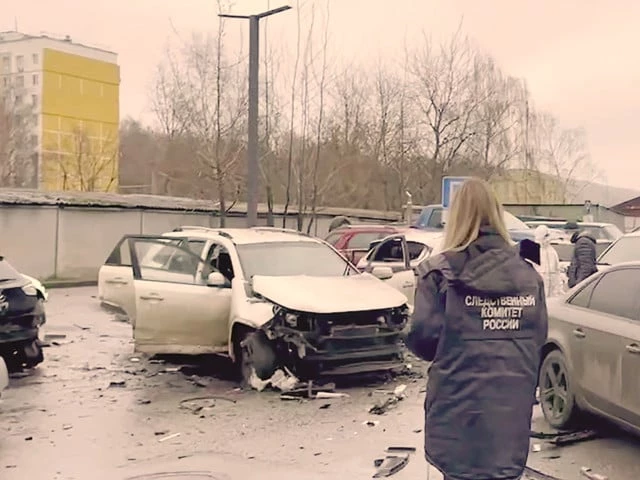
MOSCOW: A senior Russian military general was killed in a car bomb explosion in Moscow on Tuesday, according to Russian law enforcement and security officials, marking one of the most high-profile targeted attacks in the Russian capital in recent years. The blast occurred in a residential district during morning hours and has triggered a large-scale investigation amid growing concerns over security vulnerabilities inside Russia as the war in Ukraine continues.
Authorities confirmed that an explosive device planted inside or underneath the vehicle detonated shortly after the general entered the car. Emergency services rushed to the scene, but the officer succumbed to his injuries before he could be transported to hospital. Several nearby vehicles were damaged by the blast, and residents reported hearing a loud explosion that shattered windows and sent debris across the street. No civilian casualties were officially reported.
Russian investigators have classified the incident as a targeted assassination and have opened a criminal case under terrorism and murder statutes. The Federal Security Service (FSB) and Interior Ministry units cordoned off the area and began forensic examinations, while bomb disposal experts searched for secondary devices. Surveillance footage from nearby buildings is being reviewed to trace those responsible for planting the bomb.
While authorities have not officially released the name of the general pending notification of family members, state media identified him as a high-ranking officer with operational responsibilities linked to Russia’s military campaigns. Analysts note that senior military figures have rarely been targeted inside Moscow, making the attack particularly alarming for Russian security agencies and political leadership.
The Kremlin condemned the killing, describing it as a “terrorist act aimed at destabilizing the country.” Presidential spokespersons vowed that those responsible would be identified and brought to justice. Security across Moscow and other major cities was reportedly heightened following the attack, with increased patrols around government buildings, military facilities, and residential areas housing senior officials.
The bombing comes at a time of heightened tension within Russia, as the conflict in Ukraine continues to strain military resources and domestic stability. In recent months, Moscow has experienced a series of security incidents, including drone attacks, sabotage attempts, and fires linked by officials to hostile foreign actors or internal extremist networks. While no group has yet claimed responsibility for the assassination, speculation has focused on possible Ukrainian intelligence involvement, internal opposition groups, or rogue actors seeking to exploit wartime conditions.
Ukraine has not commented directly on the incident. In the past, Kyiv has neither confirmed nor denied involvement in attacks targeting Russian military figures, instead emphasizing its right to defend itself against aggression. International observers caution against drawing conclusions before official findings are released, noting that Moscow has previously blamed external enemies without providing public evidence.
Security experts say the attack underscores growing risks faced by Russia’s military leadership, even within heavily guarded urban centers. The use of a car bomb suggests careful planning, access to intelligence about the general’s movements, and the ability to evade surveillance — factors that may raise questions about internal security lapses or insider assistance.
Residents in the affected Moscow neighborhood expressed shock and fear following the explosion. Many described the area as normally quiet and heavily monitored, adding to concerns that such attacks could become more frequent. Local authorities reassured the public that there was no immediate threat and urged citizens to remain calm while cooperating with investigators.
Politically, the assassination could have significant implications. Analysts believe the killing may prompt tougher security laws, expanded surveillance, and intensified counterintelligence operations within Russia. It may also influence military decision-making, as senior officers reassess personal security and operational exposure.
International reactions were cautious, with several governments calling for restraint and emphasizing the need for stability. Some Western analysts warned that targeted killings inside Moscow could escalate the conflict beyond the battlefield, increasing the risk of retaliatory actions and further destabilizing the region.
As investigations continue, Russian officials have promised regular updates and insisted that the attack will not weaken the country’s military resolve. However, the death of a senior general in the heart of Moscow represents a stark reminder that the repercussions of war are increasingly being felt far from the front lines.