Global Powers Issue Emergency Travel Advisories as Security Risks Escalate
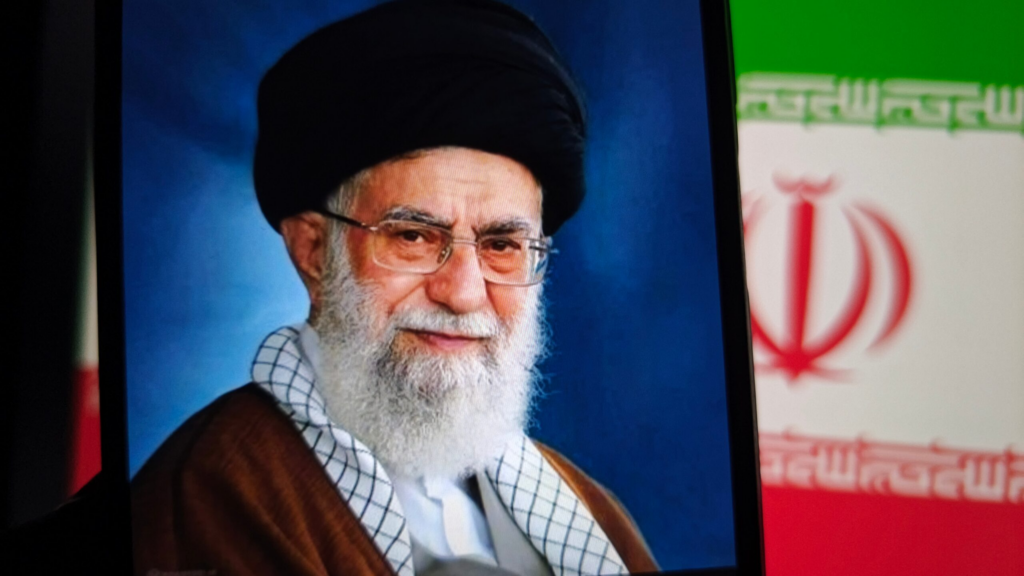
In an unprecedented escalation of global travel warnings, China, Canada, and Australia have issued urgent advisories urging their citizens to leave Iran immediately if they can do so safely. These emergency travel alerts arrive amid intensifying geopolitical tensions, the growing threat of military action in the region, and reports of strikes that have heightened concerns over civilian safety and regional stability. This coordinated response by major world powers underscores the severity of the situation and reflects fears that the security environment in Iran could deteriorate rapidly with little or no warning.
Why the Urgent Travel Advisories Were Issued
The latest advisories come as diplomatic and military pressures mount across the Middle East, particularly around the standoff between the United States and Iran. While diplomatic talks continue in efforts to de-escalate tensions, several nations have judged that the risk to foreign nationals remaining inside Iran is now too high.
China’s Ministry of Foreign Affairs has warned its citizens of a significant rise in security threats, emphasizing external risks and advising against all travel to Iran. The Chinese government has urged Chinese nationals currently in the country to strengthen safety precautions and evacuate “as soon as possible,” highlighting that commercial flight routes and overland travel options may close abruptly if the situation worsens.
Similarly, Canada’s Global Affairs Canada has issued a stern warning to Canadians in Iran, advising them to depart immediately if they can do so safely. The advisory notes that hostilities in the region could resume with little or no warning, urging Canadians to ensure their travel documents are up-to-date and to have sufficient supplies in case sudden disruptions require them to shelter temporarily.
Australia’s advisory, which aligns with guidance from its Smartraveller service, has consistently warned of volatile security conditions. Although the Australian embassy in Tehran closed in 2025, Canberra continues to advise all Australians to exit the country while travel options remain available due to ongoing unrest and the possibility of abrupt escalations in violence.
The Broader Security Context
These travel advisories are not isolated; they reflect a broader global response to mounting regional instability. Several other countries — including the United States, Germany, India, the United Kingdom, South Korea, Poland, and Sweden — have also issued warnings or evacuation notices for their citizens in Iran or have advised against travel to the Middle East altogether.
The heightened alerts are linked to growing concerns about the potential for military conflict, especially amid increased US military buildup in the Persian Gulf and threats of punitive action against Iran’s nuclear and missile programs. Iranian authorities, in turn, have warned they could respond forcefully to any attacks, raising fears of a wider confrontation. These tensions have prompted international powers to prioritize the safety of their nationals, indicating that commercial travel and diplomatic support could be severely constrained in the near future.
What Citizens Are Being Told to Do
- Depart Immediately if Possible: All three countries — China, Canada, and Australia — emphasise that their citizens should leave Iran now, as soon as safely possible, using available commercial flights or land routes to neighboring countries.
- Avoid All Travel to Iran: Governments are urging prospective travelers to cancel plans to visit Iran and to refrain from non-essential travel due to the unpredictable and rapidly shifting security conditions.
- Stay Informed and Prepared: Those still inside Iran are advised to stay in close contact with their respective embassies (where operational), monitor official updates, and maintain contingency plans should flight routes or border crossings close unexpectedly.
Officials also highlight the limited capacity of consular services in crisis conditions, meaning that governments may not be able to assist citizens on the ground if violence escalates or infrastructure becomes disrupted.
What This Means for the Region
The coordinated nature of these advisories signals a rare instance of widespread international concern. It suggests that global powers view the current tensions not only as a diplomatic dispute but one with the potential to impact civilian safety and international travel infrastructure across the Middle East. With diplomatic negotiations ongoing but outcomes uncertain, citizens of affected countries are being urged to act quickly before travel routes become restricted or closed altogether.
In essence, the advisory from China, Canada, and Australia — backed by similar warnings from other nations — reflects a critical juncture in Middle East geopolitics and highlights the urgent need for civilians to prioritize personal safety and exit risk zones now.