Tensions Escalate as Iran and Israel Exchange Attacks; Civilians Brace for Wider Conflict
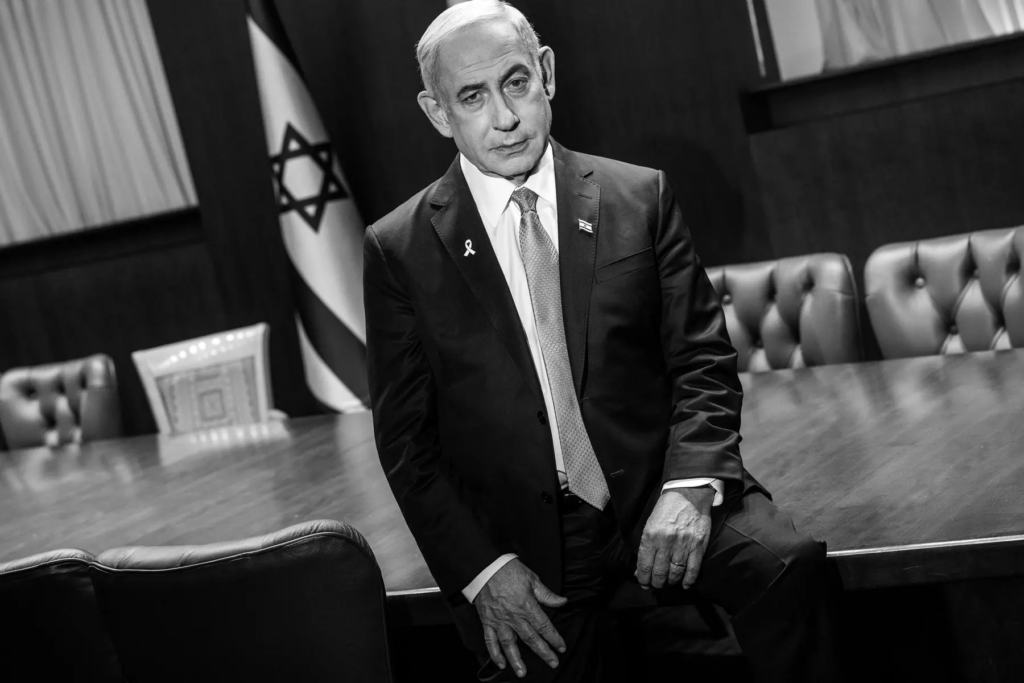
In a dramatic escalation of conflict in the Middle East, Israel has ordered evacuations in key urban areas and shifted large numbers of its civilian population into safe shelters across the country amid a series of retaliatory airstrikes by Iran that have heightened fears of a full-blown war. This marked uptick in hostilities follows a complex chain of military actions, diplomatic breakdowns, and warnings from global powers, all contributing to what many analysts now describe as one of the most serious crises between Tehran and Jerusalem in decades.
A Nation on High Alert: Evacuations and Civil Defense
Reports emerging on February 27, 2026, indicate that Israeli authorities have begun precautionary evacuations of residents in several major cities and have mobilized civil defense units to move citizens into protected bunkers and reinforced shelters. These movements are a direct response to Iran’s retaliatory missile and drone barrages launched after Israel conducted striking operations targeting nuclear and military infrastructure deep inside Iranian territory.
The evacuation primarily affected districts with higher population densities and areas located within potential missiles’ range, with sirens blaring nationwide as citizens were instructed to seek immediate shelter. The government’s Home Front Command has activated emergency protocols, urging people to adhere strictly to safety directions and to keep communication lines open for real-time updates.
What Triggered the Escalation?
The underlying clash has its roots in long-standing tensions between Israel and Iran over security, nuclear ambitions, and regional influence. In June 2025, Israel launched a significant military campaign — named Operation Rising Lion — striking various Iranian nuclear, ballistic missile, and command infrastructure sites. This operation marked a stark shift from the largely proxy-based conflicts to direct confrontation.
Iran responded swiftly, firing upwards of 150 ballistic missiles and more than 100 drones towards Israeli territory in a massive retaliatory strike that activated civilian air raid systems and defensive countermeasures like the Iron Dome. Although interception systems have mitigated many incoming threats, the scale of bombardment sparked widespread alarm among Israelis and triggered emergency civil defense measures.
Civilian Impact: Shelters, Evacuations, and Routine Disruption
The repeated missiles and drone attacks have placed ordinary Israelis in an unprecedented state of alert. In Tel Aviv and other urban centers, public bomb shelters — many privately owned and some public — reported heavy use as families sought refuge from potential incoming strikes. Footage from Iranian missile barrages showed residents crowding into safe havens like parking garages and reinforced civilian hideouts on multiple occasions.
The government’s evacuation efforts have focused not only on the physically threatened zones but also on vital infrastructure hubs, where damage could disrupt power, water, or transportation networks, further compounding humanitarian concerns. While there have been no comprehensive reports of mass casualties linked to recent strikes, the psychological toll and displacement effects are unmistakable.
Diplomatic Fallout and Global Reactions
The intensifying conflict has reverberated far beyond national borders. International responses have included emergency travel advisories from multiple countries urging nationals in the region to relocate or depart while it remains feasible. Meanwhile, diplomatic channels are strained as negotiations aimed at de-escalation falter.
Global powers have openly expressed concern about the risk of broader regional destabilization. Iran’s leadership has warned that any external military intervention — particularly by allies of Israel — could trigger an all-out war engulfing neighboring states. This warning underscores the delicate balance of power in the Middle East, where a localized exchange between Tehran and Jerusalem risks igniting wider conflict involving multiple state and non-state actors.
Is War Inevitable? Assessing the Odds
With both sides entrenched in their respective strategic objectives — Israel seeking to neutralize perceived existential threats and Iran determined to retaliate against attacks on its sovereignty — analysts argue that the situation is perilously close to a broader war. Despite attempts at diplomacy, including intermittent negotiations over Iran’s nuclear program, the cycle of military strikes and counter-strikes continues unabated.
Critics of the escalation point to the catastrophic humanitarian consequences that a wider conflict could bring, not only for Israelis and Iranians but for civilians across the region. Civilian displacements, infrastructure damage, economic disruptions, and potential involvement of allied nations are all factors that could expand the scope of conflict beyond the immediate belligerents.
What Happens Next?
At this critical juncture, the future remains highly uncertain. Evacuation efforts and civil defense measures, such as sheltering, are clear indicators that Israeli authorities are preparing for sustained tensions. Diplomatic backchannels remain open in hopes of averting full-scale war, but as military posturing intensifies, so too do fears that limited conflict could spiral into a prolonged regional confrontation.
For now, the priority for civilians caught up in the conflict’s shadow is safety — whether through evacuation, sheltering, or staying informed of evolving advisories. In a region where peace has long been fragile, the latest chapter of hostilities underscores how quickly tensions can escalate and how profoundly they impact everyday lives.