Heightened Tensions as Military Preparations and Diplomatic Stand‑Offs Raise Fears of Imminent Attack
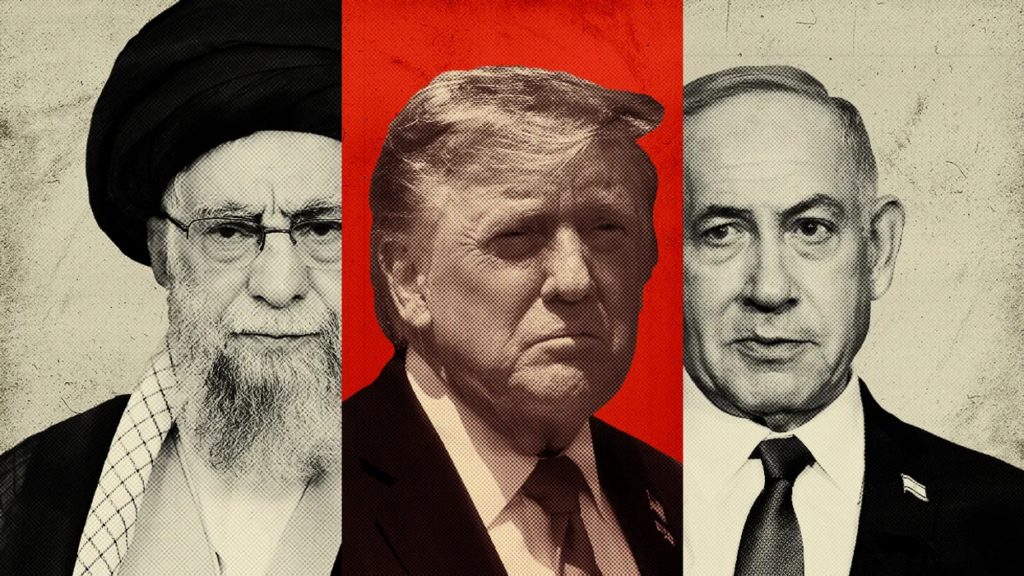
Recent international media and analysts are raising alarms that the United States and Israel could launch a coordinated military attack on Iran within the next 48 hours amid deteriorating diplomatic talks over Tehran’s nuclear programme and rising regional tensions.
Though no official strike order has been confirmed by either government, signs of heightened readiness, travel advisories, and military deployments have intensified concerns among foreign policy experts and citizens worldwide.
Why Reports Are Focusing on an Imminent Attack
Several global news outlets and reports have highlighted that tens of thousands of flights have been canceled across the Middle East due to the fear of a major military operation, with some reports specifically mentioning Iran as a potential target. This has triggered widespread apprehension that major powers are bracing for conflict.
Alongside flight disruptions, there has been significant US military movement toward the Arabian Sea and the broader Middle East, including aircraft carriers and combat assets — a development seen as part of strategic posturing that could support offensive operations if a decision to strike Iran is finalized.
Stalled Diplomacy and Rising Ultimatums
Diplomatic efforts to defuse US‑Iran tensions have been ongoing, with multiple rounds of indirect talks in Geneva facilitated by third‑party mediators such as Oman. Some officials have described progress, but no breakthrough agreement has been reached on the core dispute over Tehran’s nuclear enrichment programme.
In parallel, Western nations including China and Canada have strongly advised their citizens to leave Iran immediately due to the threat of military action, a step typically taken when conflicts are considered imminent.
Furthermore, media coverage has pointed to claims of an American ultimatum linked to Iran’s nuclear and missile programmes — with some reports referencing countdowns and warnings about potential offensive action if negotiations fail.
Military Preparedness and Strategic Positions
The speculation around a possible 48‑hour window for a military strike partly stems from the deployment of advanced US and allied military assets around the region. Aircraft carriers, fighter squadrons, and strike elements have been repositioned closer to Iranian airspace, signaling that the logistical groundwork for action — whether defensive or offensive — is in place.
While neither Washington nor Jerusalem has made an official announcement regarding a specific timeline or military authorization, such deployments often occur when tensions reach critical thresholds and decision‑makers weigh options beyond sanctions or diplomatic pressure. Analysts point to historical precedents where military presence preceded direct action in the Middle East.
Iran’s Response and Warning of Retaliation
Iran has not remained silent amid these developments. Tehran’s government and its diplomatic representatives have repeatedly warned that any military attack on its territory would provoke an “immediate and proportional” response, and that the United States would bear full responsibility for the consequences of such actions.
Iran has also consistently rejected accusations that its nuclear programme is weapon‑oriented and has demanded that the nuclear negotiations make substantive progress. Despite this, Western states have maintained pressure with sanctions and firm demands aimed at curtailing Tehran’s enrichment activities.
Global and Regional Implications
If an offensive operation were to occur, the impact would likely resonate far beyond Tehran alone. Analysts warn of dramatic consequences for global stability, especially in energy markets where oil prices could surge if the Strait of Hormuz — a vital route for global oil shipments — were disrupted by military conflict or retaliatory action.
In addition to economic repercussions, a military confrontation involving the US and Israel against Iran could draw in regional actors and proxy groups, potentially sparking a wider Middle Eastern war, with serious humanitarian and geopolitical fallout.
Cautious Official Statements and Public Anxiety
Despite mounting tensions, major governments have been careful with public statements. The US continues to emphasise diplomacy while positioning assets defensively, and global capitals are closely monitoring the situation. Germany has even issued warnings to its citizens to be cautious due to the planning of a potential US attack — another indicator that authorities see a high risk of escalating conflict.
Conclusion: Fears of a Military Strike Amid Political Uncertainty
At present, claims that the US and Israel will strike Iran within the next 48 hours remain unconfirmed by official government statements, but the combination of escalated military movements, canceled flights, international advisories, stalled diplomacy, and Tehran’s own warnings have elevated global concern.
The situation remains highly fluid and unpredictable. Observers caution that while speculation continues, only time and formal decisions by the involved governments will determine whether this tension results in a military confrontation, a renewed diplomatic deal, or continuing stalemate.
Short‑term conflict risks highlight the fragile nature of Middle Eastern geopolitics and the potential for rapid escalation if diplomatic solutions falter — underlining the urgency of renewed negotiation and multilateral engagement to prevent a catastrophic conflict.