Tehran rolls out nationwide wartime strategy to secure essential services, stabilize economy, and keep society functioning under conflict pressures
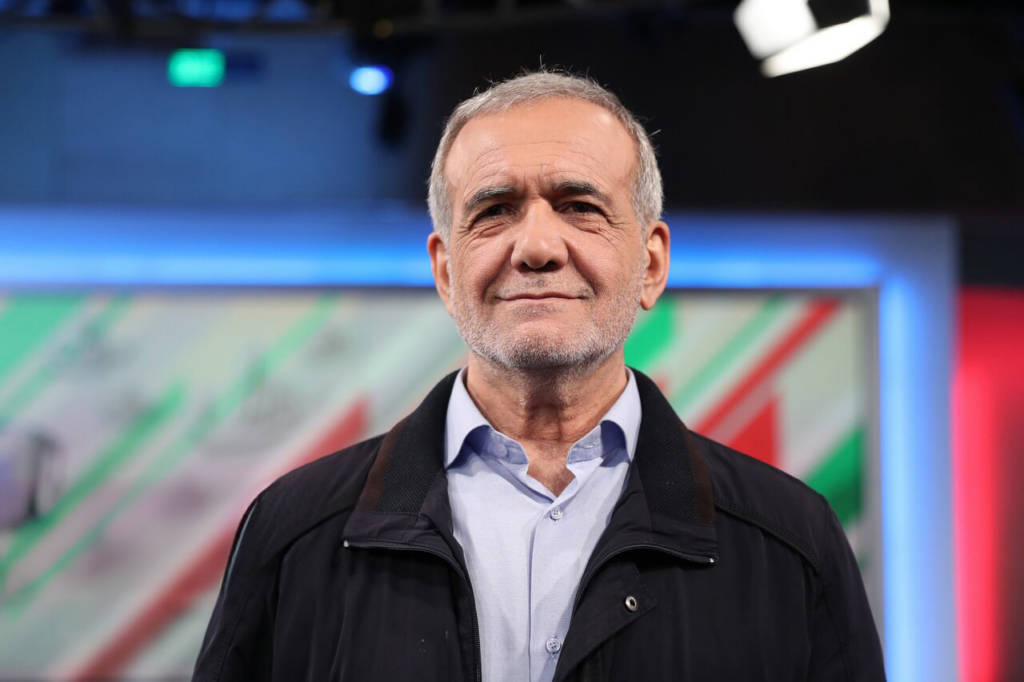
As the ongoing conflict between Iran and U.S.–Israeli forces intensifies, Tehran has formally approved a comprehensive emergency plan designed to manage the country’s affairs through a prolonged war. The Iranian government announced that the strategy — green‑lit by President Masoud Pezeshkian and communicated to executive agencies — aims to ensure the population’s needs are met despite the severe disruptions caused by sustained military confrontation. According to official reports, the plan focuses on securing essential goods, supporting livelihoods, maintaining production, and maximizing infrastructure functionality in wartime conditions, signalling that Iranian leadership is preparing for an enduring conflict rather than a short, limited engagement.
The decision to adopt this emergency governance framework comes amid one of the most volatile phases in Iran’s modern history. Since joint strikes by U.S. and Israeli forces hit Iranian territory late February 2026 — triggering widespread military retaliation from Tehran — the country has faced unprecedented military and socioeconomic pressures. Iranian missiles and drones have struck targets across the Gulf region, while allied responses have battered Iran’s strategic infrastructure and command systems. In this context, Tehran’s emergency plan reflects a calculated attempt to sustain national resilience and preserve institutional continuity as the conflict unfolds.
Core Elements of the Emergency Plan
Officials describe Iran’s emergency plan as a multi‑layered response tailored to wartime conditions. Key priorities include:
- Securing essential goods: Ensuring food, medicines, fuel, and other strategic commodities remain available despite supply chain disruptions and potential sanctions impacts.
- Supporting livelihoods: Establishing financial protections for households and businesses affected by the conflict’s economic fallout.
- Maintaining production: Safeguarding industrial and manufacturing facilities — particularly those tied to energy, defense, and agriculture — so that critical output continues.
- Strengthening infrastructure: Maximizing the resilience of transport, utilities, telecommunications, and other vital systems necessary for daily life and economic activity.
Government sources have stressed that the plan is not a temporary stop‑gap but a structured strategy that can be adjusted as events evolve. By institutionalizing wartime governance mechanisms, Tehran seeks to avoid chaotic emergency responses and build a framework for sustained civil and economic stability under duress.
Political Context and Security Pressures
Iran’s emergency planning mirrors broader strategic adjustments inside the country. After the death of Supreme Leader Ayatollah Ali Khamenei in a preemptive U.S.–Israeli air campaign and the subsequent elevation of hardline elements within the Islamic Revolutionary Guard Corps (IRGC), Tehran’s power structures have become highly militarized. The IRGC now plays a central role in strategic decision‑making, and internal governance mechanisms have shifted to prioritize wartime needs.
This shift includes reinforcement of the Iranian Defence Council, a key body coordinating civil and military policy under conditions of armed conflict. Headed by the president and involving top military and security officials, the council’s mandate is to align political, intelligence, and economic activities with national defence priorities — a structural adaptation that supports Tehran’s emergency governance plan.
Socioeconomic Ramifications
The fallout from prolonged conflict has already taken a heavy toll on Iranian society. Reports of widespread infrastructure damage, disrupted supply networks, and limited access to essential services have raised concerns about economic stability and civilian hardship. Foreign media sources and monitoring groups note that the war’s escalation has aggravated pre‑existing inflationary pressures, worsened unemployment, and compounded public anxieties. While Tehran seeks to manage these pressures through state interventions, the full socioeconomic impact of long‑term hostilities remains uncertain.
In parallel, Iran’s blackout of international internet access — part of a broader information control strategy — has limited external reporting on internal conditions, complicating independent assessments of the country’s economic and humanitarian situation.
Regional and International Implications
Iran’s emergency plan signals that Tehran expects the conflict to continue for an extended period. While U.S. and Israeli officials have indicated their military campaign could span weeks or more, international analysts warn that without de‑escalation, military engagements could transition into deeper regional involvement, drawing in Gulf states and beyond. The plan’s emphasis on wartime sustainability suggests Iran is positioning itself to weather prolonged hostilities rather than capitulate to international pressure.
European governments and global institutions have called for restraint and diplomatic engagement, warning that protracted war will have broader geopolitical and economic repercussions. The emergency governance initiative, in this context, highlights the deepening divide between combatant strategies — with Tehran doubling down on internal resilience even as external diplomatic efforts continue.
Conclusion
Iran’s launch of a formal emergency plan to manage a prolonged war underscores the country’s preparation for sustained conflict and reflects the regime’s determination to preserve governance, public services, and social order amid intense external military pressure. As the Middle East crisis deepens, Tehran’s wartime strategy will likely shape how the nation and its people navigate both the immediate impacts of military confrontation and the longer‑term challenges of national survival under conflict conditions.