Commonwealth Day speech comes amid rising geopolitical tensions after Donald Trump criticizes UK Prime Minister Keir Starmer for not fully backing U.S.–Israeli military operations against Iran.
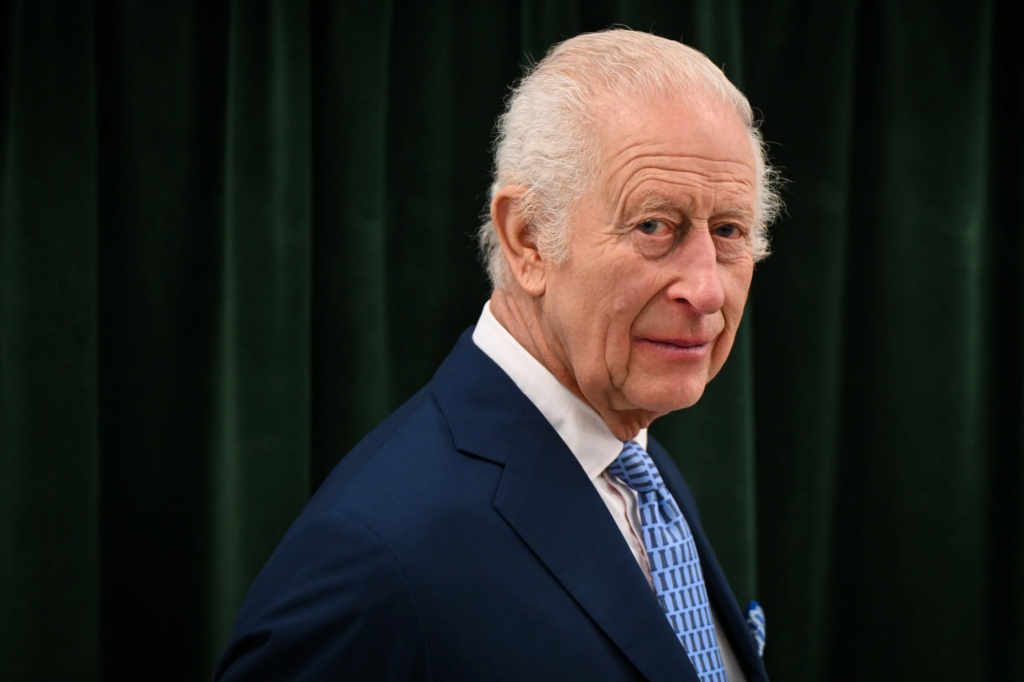
Britain’s King Charles III is set to deliver a major speech on Monday highlighting the “increasing pressures of conflict” around the world, a message that arrives during a tense moment in international politics following public criticism from Donald Trump directed at Keir Starmer over Britain’s cautious response to the ongoing military confrontation with Iran. The remarks will be part of the annual Commonwealth Day ceremony at Westminster Abbey, where the British monarch traditionally addresses leaders and representatives from across the Commonwealth.
A preview of the king’s address indicates that he will emphasize the mounting challenges faced by nations worldwide, including armed conflicts, environmental crises, and social transformation. According to excerpts released ahead of the event, Charles plans to stress that communities across the globe are experiencing “great challenge and great possibility,” and that moments of crisis often reveal the enduring spirit of international cooperation.
The speech comes at a particularly sensitive geopolitical moment. In recent weeks, tensions in the Middle East have intensified after joint military strikes carried out by the United States and Israel against Iranian targets. The operation triggered a wave of retaliatory attacks across the region and sparked debate among Western allies about the appropriate level of involvement. While some countries quickly backed the strikes, the United Kingdom adopted a more cautious position, declining to participate directly in the initial offensive operations.
Prime Minister Keir Starmer defended that decision by arguing that British involvement in any military action must be guided by national interest, legal considerations, and long-term strategic stability. Instead of joining the initial strikes, Britain focused on defensive measures, including deploying fighter jets, naval vessels, and surveillance capabilities to protect allied bases and regional shipping lanes from Iranian drone and missile attacks.
However, President Donald Trump publicly expressed frustration with the British government’s stance, accusing Starmer of failing to support the United States and Israel at a critical moment. Trump complained that the delay complicated American military planning and forced U.S. aircraft to take longer routes to reach operational areas in the Middle East. At one point, he also suggested that the United Kingdom had been “very uncooperative,” a statement that raised questions about the state of the traditionally strong U.S.–UK alliance.
Despite the dispute, the British government later permitted the United States to use certain UK military facilities for limited defensive operations once Iran began launching retaliatory attacks in the region. This included access to strategic bases and additional military coordination aimed at intercepting drones and protecting allied forces. British officials maintain that the cooperation demonstrates the resilience of the so-called “special relationship” between the two countries, even as political disagreements arise over specific policies.
Against this backdrop, King Charles’ speech is expected to emphasize unity among the Commonwealth’s 56 member nations, many of which face their own security and political challenges. Analysts say the monarch’s message is likely to avoid direct commentary on specific government policies while focusing on broader themes such as diplomacy, cooperation, and resilience during times of uncertainty.
Royal observers also note that the speech carries symbolic weight because it comes during a period of heightened global instability. Conflicts in multiple regions — including the Middle East and Eastern Europe — have renewed debates about the future of international alliances and the role of multilateral organizations in preventing war. By highlighting the “enduring spirit” of cooperation among Commonwealth nations, the king appears to be framing the organization as a platform for dialogue and stability during turbulent times.
The Commonwealth Day ceremony itself will bring together senior members of the royal family, political leaders, diplomats, and representatives from across the global alliance. Events at Westminster Abbey will celebrate cultural diversity and shared values while reinforcing the historic ties between Britain and countries that were once part of the British Empire.
For King Charles, the speech also carries personal significance. At age 77 and while continuing treatment for cancer, the monarch has maintained a full schedule of public engagements and international diplomacy. His message on global conflict and cooperation is therefore seen not only as a reflection of current geopolitical tensions but also as part of his broader vision of the monarchy’s role in promoting unity, sustainability, and dialogue across nations.
As tensions continue in the Middle East and political debate grows within Western alliances, the king’s address may serve as a reminder that diplomacy and international cooperation remain essential tools for navigating crises. While leaders may disagree over military strategies or political decisions, the broader goal of global stability — the theme expected to dominate Charles’ remarks — remains a shared priority among nations facing an increasingly uncertain world.