Global pressure mounts as Iranian female footballers seek refuge amid fears of imprisonment, retaliation, or death if forced to return to Iran
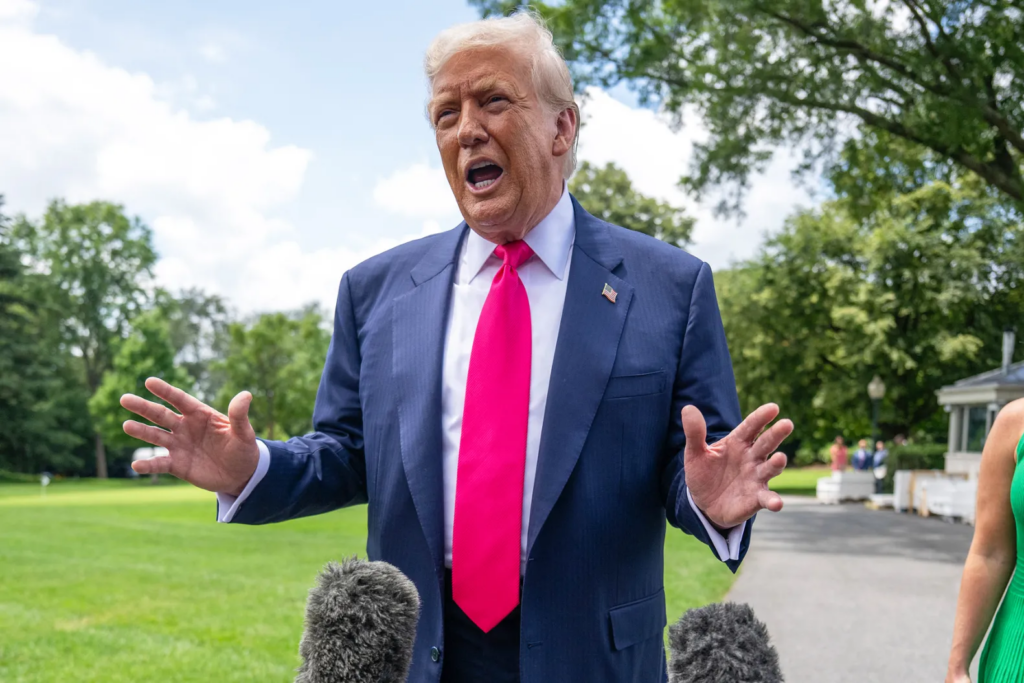
A growing international controversy has emerged after members of Iran’s national women’s soccer team sought asylum in Australia amid fears that returning home could expose them to severe punishment, imprisonment, or even death. The situation intensified when former U.S. President Donald Trump publicly urged the Australian government to grant asylum to the players, warning that forcing them back to Iran would be a “terrible humanitarian mistake.”
The Iranian women’s national football team traveled to Australia to compete in the 2026 AFC Women’s Asian Cup, but the tournament quickly turned into a political and humanitarian flashpoint. The crisis began when players refused to sing Iran’s national anthem before their opening match against South Korea. The silent protest was widely interpreted as a sign of dissent against the Iranian government and its policies, particularly amid escalating tensions in the country.
Their decision reportedly triggered a strong backlash from Iranian authorities and state media. Some outlets labeled the players “traitors,” a term that carries severe consequences under Iranian law, including long prison sentences or harsher penalties. Human rights groups and activists immediately raised concerns that the athletes could face retaliation once they returned to Iran.
Reports indicate that the pressure intensified during the tournament. Ahead of a later match against Australia, members of the team were allegedly forced to sing the national anthem after officials warned that their families in Iran could face consequences if they refused again. The incident fueled international alarm about the safety of the players and their families.
After Iran’s elimination from the tournament, the situation escalated further. Several players reportedly attempted to signal distress while leaving the stadium, making gestures interpreted as an international SOS sign from their team bus. Supporters and members of the Iranian diaspora in Australia quickly began calling on the Australian government to intervene and provide protection for the athletes.
The crisis reached a dramatic turning point when at least five members of the team left their hotel and sought protection from Australian authorities. The athletes are now reportedly under the protection of the Australian Federal Police while their asylum claims are being assessed by the government. Activists say the women fled because they feared immediate retaliation if they were forced to return to Iran.
Among the players believed to have sought refuge are several well-known Iranian footballers, including Fatemeh Pasandideh, Zahra Ghanbari, Zahra Sarbali, Atefeh Ramazanzadeh, and Mona Hamoudi, all of whom have represented Iran at the international level. The athletes reportedly left the team’s training camp after concerns grew about possible punishment from Iranian authorities once they returned home.
The issue has now become a major international diplomatic and human rights debate. Donald Trump publicly urged Australian Prime Minister Anthony Albanese to grant the athletes asylum, stating that deporting them could place their lives in danger. Trump also suggested that the United States would be willing to accept the players if Australia refused to offer them protection.
Human rights organizations and global sports bodies have also expressed concern about the safety of the players. The international footballers’ union FIFPRO has warned that athletes should never face persecution for peaceful expression and urged authorities to ensure the women are protected while their situation is evaluated.
The Australian government has not yet confirmed whether it will grant asylum to the players. Officials have stated that any protection claims must follow Australia’s standard immigration and refugee assessment procedures, and privacy laws prevent them from discussing specific cases publicly.
The controversy highlights broader tensions surrounding women’s rights and political dissent in Iran, where athletes and public figures have increasingly used symbolic gestures to protest government policies. In recent years, several Iranian athletes competing abroad have sought asylum in Western countries, citing fear of persecution at home.
For now, the fate of the Iranian women’s soccer players remains uncertain. Their asylum requests are being reviewed while international pressure continues to mount on Australia to offer them protection. As the global debate intensifies, the case has become one of the most dramatic intersections of sports, politics, and human rights in recent years—raising urgent questions about athlete safety, freedom of expression, and the responsibility of host nations to protect those at risk.