Foreign Minister Abbas Araghchi Accuses Washington of Undermining Diplomacy Amid Escalating Conflict
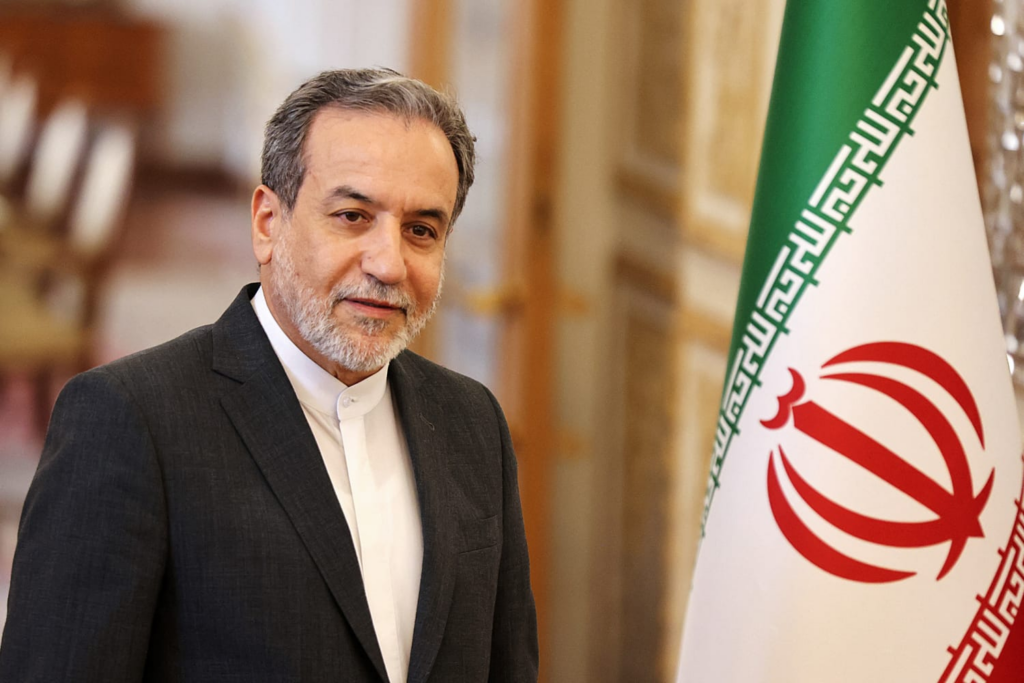
Iranian Foreign Minister Abbas Araghchi has declared that Tehran currently sees “no reason” to negotiate with the United States, accusing Washington of repeatedly launching military attacks during diplomatic talks. His comments come as tensions between Iran, the United States, and Israel continue to escalate into a wider regional crisis, raising concerns about a prolonged war in the Middle East.
Speaking during recent interviews and public statements, Araghchi argued that previous diplomatic efforts with Washington collapsed because the United States allegedly carried out military strikes in the middle of negotiations. According to the Iranian foreign minister, Tehran entered talks in good faith on more than one occasion but was met with what he described as aggressive actions rather than constructive diplomacy.
Araghchi’s statement reflects a growing sense of distrust within the Iranian leadership toward U.S. intentions. “We do not see any reason why we should negotiate with the United States,” he said, suggesting that Washington had undermined the credibility of the diplomatic process by combining negotiations with military pressure.
Background: Fragile Diplomacy Between Iran and the United States
Relations between Iran and the United States have been tense for decades, particularly over Iran’s nuclear program and its influence across the Middle East. Although the two countries have not maintained formal diplomatic relations since 1980, negotiations have periodically taken place through intermediaries, often mediated by countries such as Oman.
In 2025 and early 2026, Iran and the United States held several rounds of indirect talks focused on Iran’s nuclear program and regional security issues. These negotiations were aimed at preventing a major military confrontation and potentially reaching a new agreement to replace earlier nuclear deals.
During those discussions, Araghchi had previously indicated that a potential agreement could be within reach if both sides demonstrated political will. However, progress stalled as tensions escalated and military activity increased in the region.
The diplomatic environment deteriorated dramatically after a series of airstrikes carried out by the United States and Israel against Iranian targets. According to Iranian officials, these attacks occurred while negotiations were ongoing, leading Tehran to accuse Washington of acting in bad faith.
Iranian Leadership Claims Attacks Undermined Negotiations
Iranian officials argue that military operations during diplomatic discussions destroyed trust between the two sides. Araghchi emphasized that negotiations cannot succeed if one party simultaneously threatens or attacks the other.
He stated that diplomacy requires mutual respect and equality, warning that talks conducted under military pressure cannot produce meaningful results. Iranian leaders have repeatedly insisted that they will not negotiate under threats or coercion, a position that Araghchi reiterated in his latest remarks.
Iran’s government has also framed the recent U.S. actions as part of a broader strategy aimed at weakening the Islamic Republic. Officials in Tehran say the attacks have strengthened domestic resistance against foreign pressure and reinforced the country’s determination to defend its sovereignty.
Escalating Conflict and Regional Impact
The breakdown of diplomatic efforts has coincided with a dramatic escalation in military tensions across the Middle East. In recent weeks, the region has seen missile strikes, drone attacks, and military operations involving Iran, Israel, and the United States.
Iranian officials have warned that the conflict could expand further if hostilities continue. Araghchi stated that Tehran is prepared to defend itself and warned that the consequences of a wider war could be severe for the entire region.
International leaders have expressed growing concern about the possibility of a prolonged conflict. European governments have urged both Iran and the United States to return to diplomatic negotiations in order to prevent further escalation and protect regional stability.
However, Araghchi’s latest statement suggests that Iran currently believes diplomacy with Washington is unlikely to succeed unless major changes occur in U.S. policy.
Iran’s Position on Future Negotiations
Despite rejecting immediate negotiations, Iranian officials say diplomacy is not completely off the table. Araghchi has previously stated that Iran remains open to “fair and equitable” negotiations if the United States abandons threats and military pressure.
Tehran’s leadership has emphasized that any future talks must take place on equal terms and must respect Iran’s sovereignty. Iranian officials also insist that Washington must demonstrate genuine commitment to diplomacy before new negotiations can begin.
Analysts note that Iran’s position reflects a broader strategic calculation. By rejecting talks under current conditions, Tehran is attempting to increase political pressure on Washington while maintaining the possibility of future negotiations if circumstances change.
Global Implications
The breakdown in diplomacy between Iran and the United States has significant implications for global security. The two countries remain central players in Middle Eastern geopolitics, and any prolonged conflict could disrupt international energy markets, regional alliances, and global trade routes.
Experts warn that the collapse of negotiations could also increase the risk of miscalculation between the two sides. Without diplomatic channels, military incidents could escalate quickly into larger confrontations.
For now, Araghchi’s statement signals that relations between Tehran and Washington have reached one of their most difficult moments in recent years. While international actors continue to call for dialogue, the path back to negotiations appears uncertain.