Defense Experts Warn of Critical Gaps in Israel’s Air Defense Capabilities as Tensions Escalate
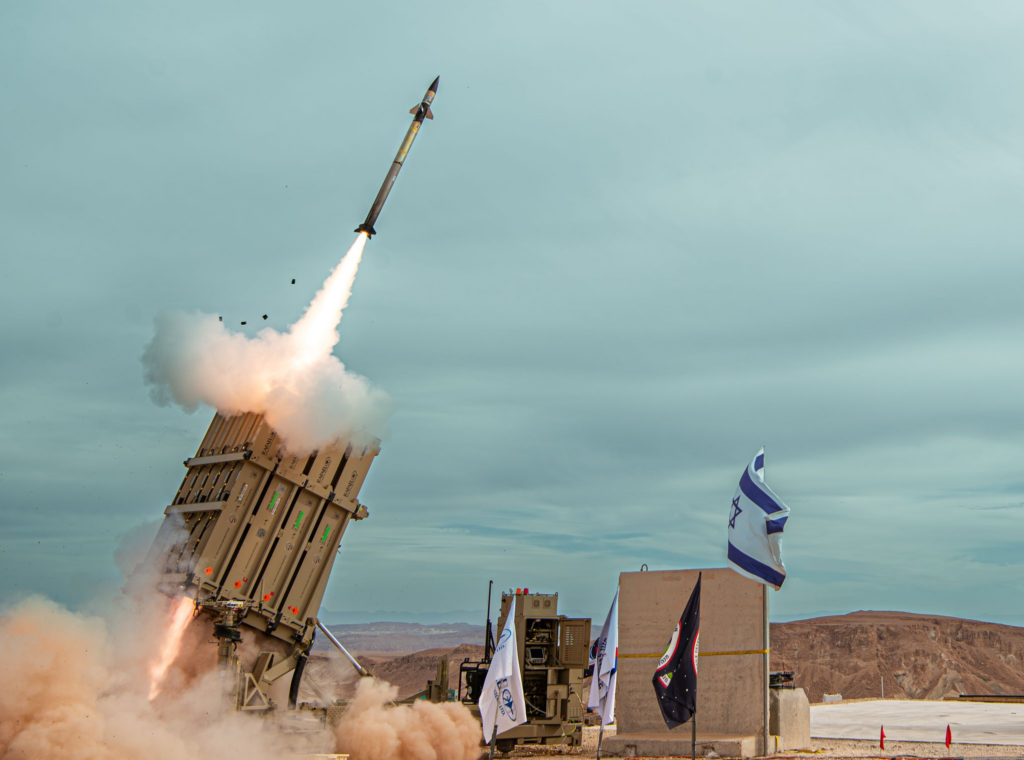
Israel is reportedly facing a severe shortage of missile defense systems, raising concerns about the country’s ability to protect civilian populations and critical infrastructure during ongoing regional conflicts. According to defense analysts and military sources, the current stockpile of missile interception systems, including Iron Dome, David’s Sling, and Arrow batteries, may not be sufficient to counter the growing number of aerial threats, including rockets, drones, and ballistic missiles fired from neighboring territories.
The shortage comes at a time of intensified hostilities in the Middle East. Israel has been engaged in ongoing military confrontations with groups in Gaza, Lebanon, and Iran-backed factions across the region. These adversaries have increasingly relied on missile and drone technology to challenge Israel’s airspace, testing the limits of its multi-layered defense architecture. The reported deficit in defense systems could leave the country vulnerable to concentrated attacks that overwhelm its current capacity.
The Iron Dome system, which is primarily designed to intercept short-range rockets and artillery, has been highly effective in previous conflicts. However, experts warn that the volume and sophistication of incoming threats in the current conflict could exceed the operational capacity of the deployed batteries. Similarly, David’s Sling and Arrow systems, designed to intercept medium- and long-range missiles, are reportedly in limited supply, with production and deployment schedules unable to keep pace with escalating demand.
Israeli military officials have reportedly accelerated efforts to procure additional missile defense systems and are seeking international assistance to bridge the shortfall. Discussions with key allies, including the United States, have focused on increasing the supply of interceptor missiles and upgrading existing radar and detection infrastructure. U.S. defense officials have historically provided financial and logistical support for Israel’s missile defense programs, but the scale of the current conflict may require faster and more extensive deliveries.
The shortage has significant implications for Israeli national security. Analysts caution that an insufficient missile defense network increases the risk to civilian populations in major cities such as Tel Aviv, Haifa, and Jerusalem, which are within range of short- and medium-range missiles. Additionally, critical infrastructure, including airports, ports, energy facilities, and military bases, could become vulnerable to targeted strikes. The potential for simultaneous multi-directional attacks could strain defense systems beyond their operational limits, potentially leading to civilian casualties and property damage.
Several factors contribute to the reported shortage. One is the rapid pace of missile launches by adversaries, which can deplete interceptor stocks faster than replenishment cycles. Another is the high cost of producing advanced interceptors, which limits the rate at which batteries can be resupplied. Furthermore, Israel’s reliance on a finite number of radar and command units to manage its layered defense systems means that even if interceptors are available, operational capacity may still be constrained.
Defense experts also note that the shortage could prompt Israel to adopt alternative strategies, such as preemptive strikes against missile launch sites and the deployment of additional intelligence and surveillance assets to anticipate attacks. Increased reliance on technology, including AI-powered threat detection and early warning systems, may help mitigate risks but cannot fully replace physical interceptors.
The situation has prompted discussions within Israeli government circles about prioritizing defense resources and expanding local production capabilities. Manufacturing additional Iron Dome batteries domestically and seeking expedited international deliveries have become urgent priorities. Analysts suggest that Israel may also explore collaborative production agreements with allied nations to accelerate deployment.
The shortage is likely to influence Israel’s military strategy in the coming months. Officials may need to triage defense priorities, focusing missile defense coverage on the most populated or strategically critical areas while accepting higher risk in less critical zones. This could have political and social implications, as citizens expect robust protection against aerial attacks.
Meanwhile, the shortage highlights broader regional dynamics, including the proliferation of missile technology among non-state actors and state adversaries. Iran, Hezbollah, Hamas, and other groups have significantly enhanced their missile arsenals in recent years, increasing both range and accuracy. These developments have intensified pressure on Israel to maintain a credible and responsive missile defense shield.
While Israel has historically maintained one of the world’s most advanced missile defense networks, the current shortfall underscores the limits of even the most sophisticated systems when confronted with high-intensity, multi-front threats. The shortage serves as a stark reminder of the challenges faced by nations attempting to defend against modern, rapidly evolving missile and drone technology.
Israeli officials have not publicly disclosed the full scale of the shortage, likely to avoid revealing vulnerabilities to adversaries. However, the situation has been acknowledged in multiple defense reports and assessments, signaling that addressing the gap will be a top priority for the government and military leadership.