In a blunt statement, President Donald Trump criticizes UK plans to send aircraft carriers amid the Iran war, signaling strain in U.S.–UK military ties and igniting global debate.
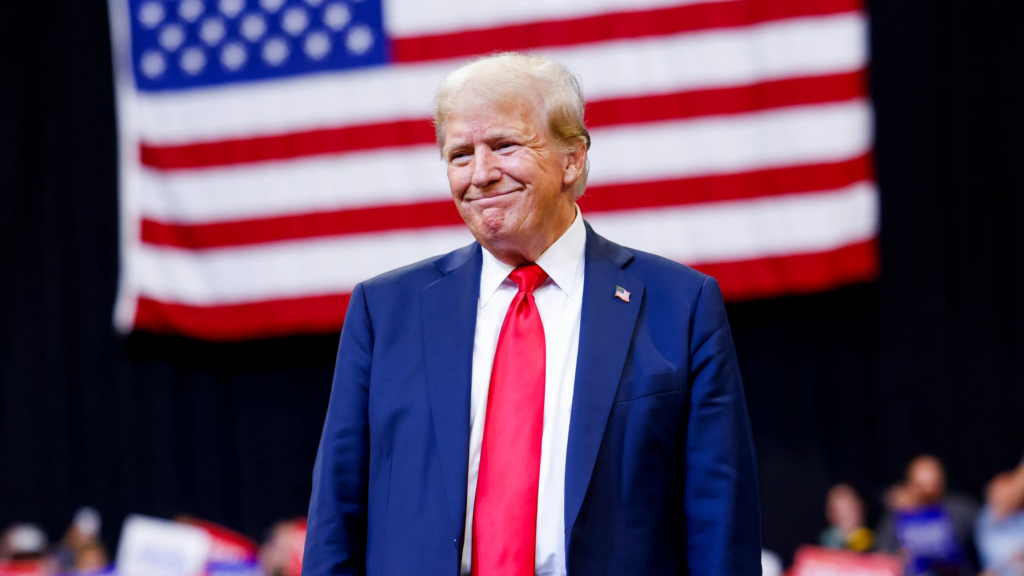
U.S. President Donald Trump has sharply criticized the United Kingdom’s consideration of deploying two aircraft carriers to the Middle East in support of ongoing military operations against Iran, saying Britain is joining the conflict “after we’ve already won” and suggesting that Washington no longer needs its support. The remark — delivered in a public message disseminated through official channels — reflects rising rhetorical tension between the two longstanding allies over the conduct and coordination of the widening confrontation involving the United States, Israel, and Iran.
Trump’s statement was prompted by reports that the UK government, led by Keir Starmer, had begun “seriously considering” sending the Royal Navy’s Queen Elizabeth‑class aircraft carriers to the Middle East to reinforce allied naval capabilities and protect shipping in the Strait of Hormuz. The proposal comes amid heightened fears of disruption to oil transit routes and missile and drone strikes linked to Iran’s retaliatory response to U.S. and Israeli military pressure. UK officials have reportedly discussed the potential deployment as part of broader contingency planning to ensure the security of international waters and reassure regional partners.
In his characteristic combative tone, Trump responded forcefully, asserting that Britain’s consideration of carrier deployment was unnecessary because, in his words, the United States “already won” the conflict. “The United Kingdom, our once Great Ally, maybe the Greatest of them All, is finally giving serious thought to sending two aircraft carriers to the Middle East,” Trump wrote. “That’s OK, Prime Minister Starmer, we don’t need them any longer — But we will remember. We don’t need people that join Wars after we’ve already won!” The message was widely circulated on social media and amplified by allies in conservative media, reigniting debate over alliance cohesion and burden sharing.
Trump’s rhetoric underscores a broader strain in transatlantic relations over the conduct of the Iran conflict, which has seen rapid escalation since late February 2026. Joint U.S.–Israeli strikes against Iranian military and missile infrastructure sparked a fierce response from Tehran, including ballistic missile and drone attacks on U.S. bases and allied targets across the Gulf region. As a result, several countries — including the UK — have deliberated measures to bolster security and protect critical waterways used for global energy shipments.
The UK government has not officially confirmed whether it will deploy carriers, but discussions reportedly include sending the HMS Queen Elizabeth and its sister ship to provide air cover and serve as a deterrent against attacks on commercial ships navigating the Strait of Hormuz and Gulf shipping lanes. Aircraft carriers serve as mobile airfields and power projection platforms, allowing the UK and allied forces to maintain surveillance, enforce no‑fly zones, and protect maritime routes without permanent bases ashore.
British officials have framed such considerations as part of their responsibility as a permanent member of the United Nations Security Council and a member of NATO to uphold international security and freedom of navigation. Advocates argue that carrier deployment would reassure shipping markets, deter hostile action against civilian vessels, and demonstrate unity among Western allies as tensions rise across the Middle East.
Nevertheless, Trump’s comments reflect an assertive American posture that emphasizes unilateral victory and minimal allied intervention. By declaring that the United States has “already won,” Trump appears to be framing the conflict’s trajectory in apolitical triumphalist terms that may not align with the assessments of European governments more cautious about long‑term regional entanglement.
Analysts note that while Trump’s rhetoric positions the U.S. as militarily dominant, the broader geopolitical reality remains complex. Iran retains significant missile capacity and proxy influence, and the risk of further escalation — or spillover into neighboring countries — continues to concern international policymakers. As such, Britain’s potential carrier deployment is seen not as a belated entry into a concluded conflict but as part of allied efforts to prevent further instability from threatening global trade and energy markets.
Trump’s statement also illuminates longstanding debate in U.S. politics over alliance burdens and the role of American military leadership versus allied participation. Critics of heavy American engagement often argue that U.S. troops and assets should not be the sole guarantors of international security, urging greater burden sharing. Trump’s dismissive comment about Britain’s timing — “after we’ve already won” — implicitly challenges allies to either act earlier in crises or risk marginalization in strategic decision‑making.
The criticism also sparked pushback from British commentators and some foreign policy experts. They argue that maintaining freedom of navigation in critical waterways such as the Strait of Hormuz is a shared international interest that justifies collective naval presence. Moreover, critics contend that strong allied cooperation, rather than unilateral declarations of victory, facilitates de‑escalation and prevents miscommunication that could inadvertently worsen conflicts.
The U.S.–UK relationship has historically been one of the world’s closest security partnerships, rooted in decades of military cooperation from World War II through the Cold War and into contemporary coalition operations. Trump’s latest remarks, however, highlight how public disagreement over strategic priorities can test even long‑standing alliances. Whether the UK ultimately deploys carriers — and how Washington and London resolve any diplomatic tension — will likely shape the future conduct of allied operations in the Middle East.
For now, Trump’s statement has reignited discussion about allied unity, strategic coordination, and the evolving dynamics of the Iran conflict. It may also prompt renewed diplomatic engagement between U.S. and UK officials to clarify objectives and align military planning as tensions continue across the region.